URBAN LABORATORY II: EROS AND THANATOS |
Meduza Gallery, Koper, From May 12 to June 5, 2026 |
Opening: May 28, 2026 at 18:00 |
Accompanying event: Screening of the documentary film Habitar –
May 22, 2026 at 19:00 at Koper Regional Museum.
Curator: Assist. Prof. Dr. Boštjan Bugarič,
Co-curator: Blažka Šifrar,
Coordination: Tatjana Sirk,
Sound workshops and sound installation: Lukas Medveš,
Video workshops and visual installation: Rebeka Bratož Gornik, Joaquin Mora.
Participants students of the Department of Visual Arts and Design, Faculty of Education, University of Primorska:
Maša Aleksandrov, Ana Marija Barakovska, Manuela Behlič, Pika Blažič, Katarina Bončina, Emily Čadež Čeperković, Julija Červ, Nađa Čirić, Jaka Gorečan, Marina Ilić, Jana Karalievska, Žanamari Koren, Lana Kovač Vrtačnik, Igor Lazić, Gaja Markelj, Vanesa Marovt, Iza Mušič Petković, Špela Pančur, Ivana Pargovska, Aten Petrič, Zala Ribolica, Veljko Ristić, Maša Stojanović, Marta Šadrina, Isabel Villalba, Iva Vlahcheva, Anja Vukotić, Andrijana Zafirovska.
The Coastal Galleries Piran, in collaboration with the project author and assist. prof. dr. Boštjan Bugarič and first-year students of the Department of Visual Arts and Design at the Faculty of Education, University of Primorska (UP PEF VUO), continue the project Urban Laboratory, initiated last year. Within this project, the exhibition space functions as a unified research framework in which text, space, image, and sound intertwine into a shared narrative. The exhibition is therefore not merely a presentation of a final result, but an open field of knowledge production, where documentary approaches, artistic practices, and spatial interventions meet within the very process of its four-week development. The working process itself represents the production of this year’s students.
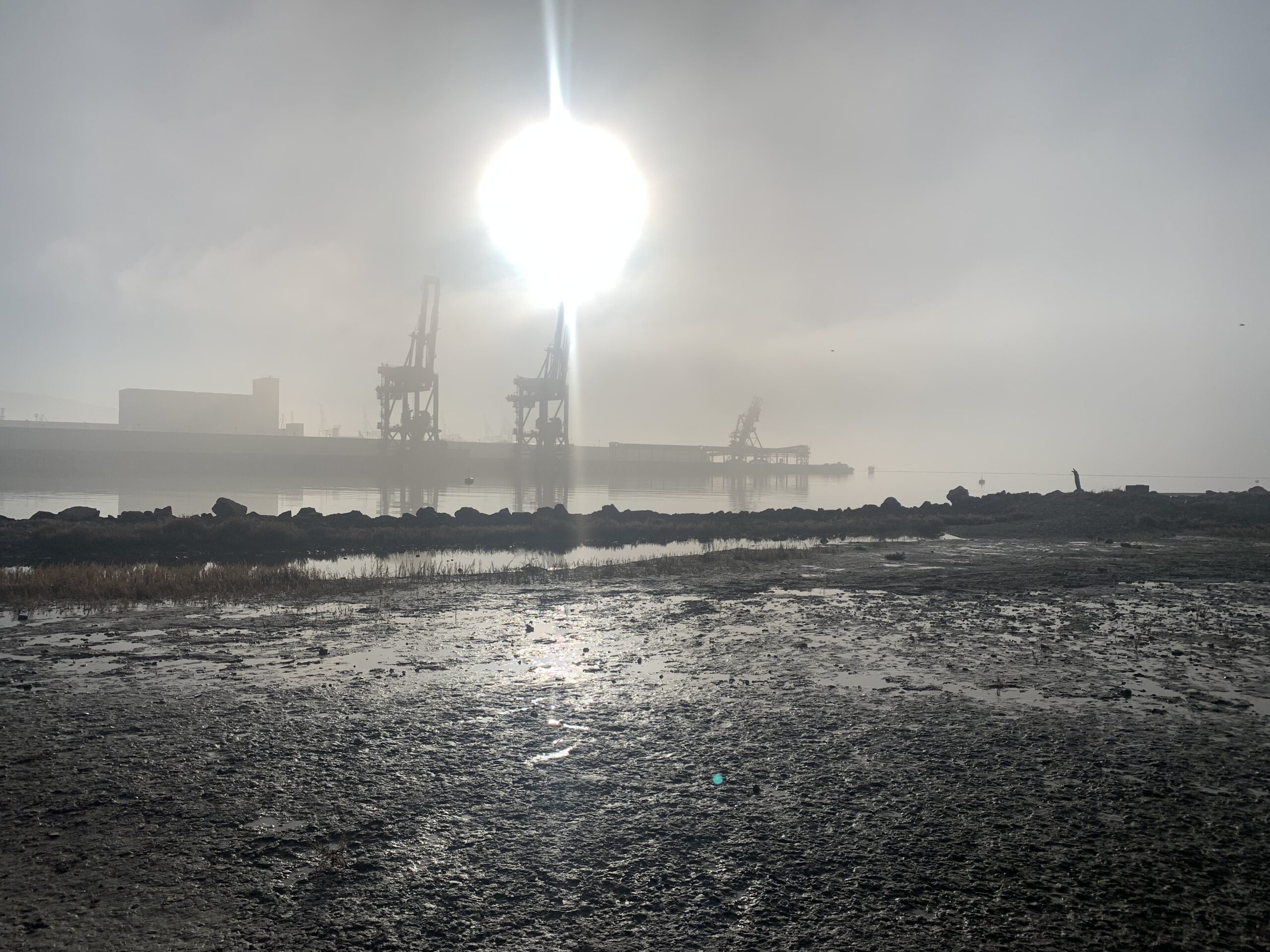
This year’s research theme focuses on the relationship between Eros and Thanatos: between life and transience, between the force that creates and the force that dissolves. Within the gallery, three spatial installations take shape, constructed from oil canisters. As vessels of the contemporary world, they carry within them traces of crises, tensions and wars. From them, chaos spills forth, something the authors do not seek to control, but rather to engage with and listen to through image, sound, and movement. Within this flow, an indistinct whole gradually unfolds and stratifies into three fundamental liquids: oil, water, and blood. Each carries its own rhythm, its own weight, its own memory. Eros and Thanatos do not oppose one another; instead, they coexist as two aspects of the same movement. In their interweaving, it becomes clear that beginning and end, emergence and disappearance, have always been part of the same substance.
The central question of the project, how the life impulse, destruction, and the material conditions of existence intertwine in the contemporary world, and what traces they leave in our shared space, opens up the entire working process, within which the final presentation will gradually take shape in the gallery. The question emerges from the work of Blažka Šifrar, who reflects on the relationship between the intimate and the collective body.
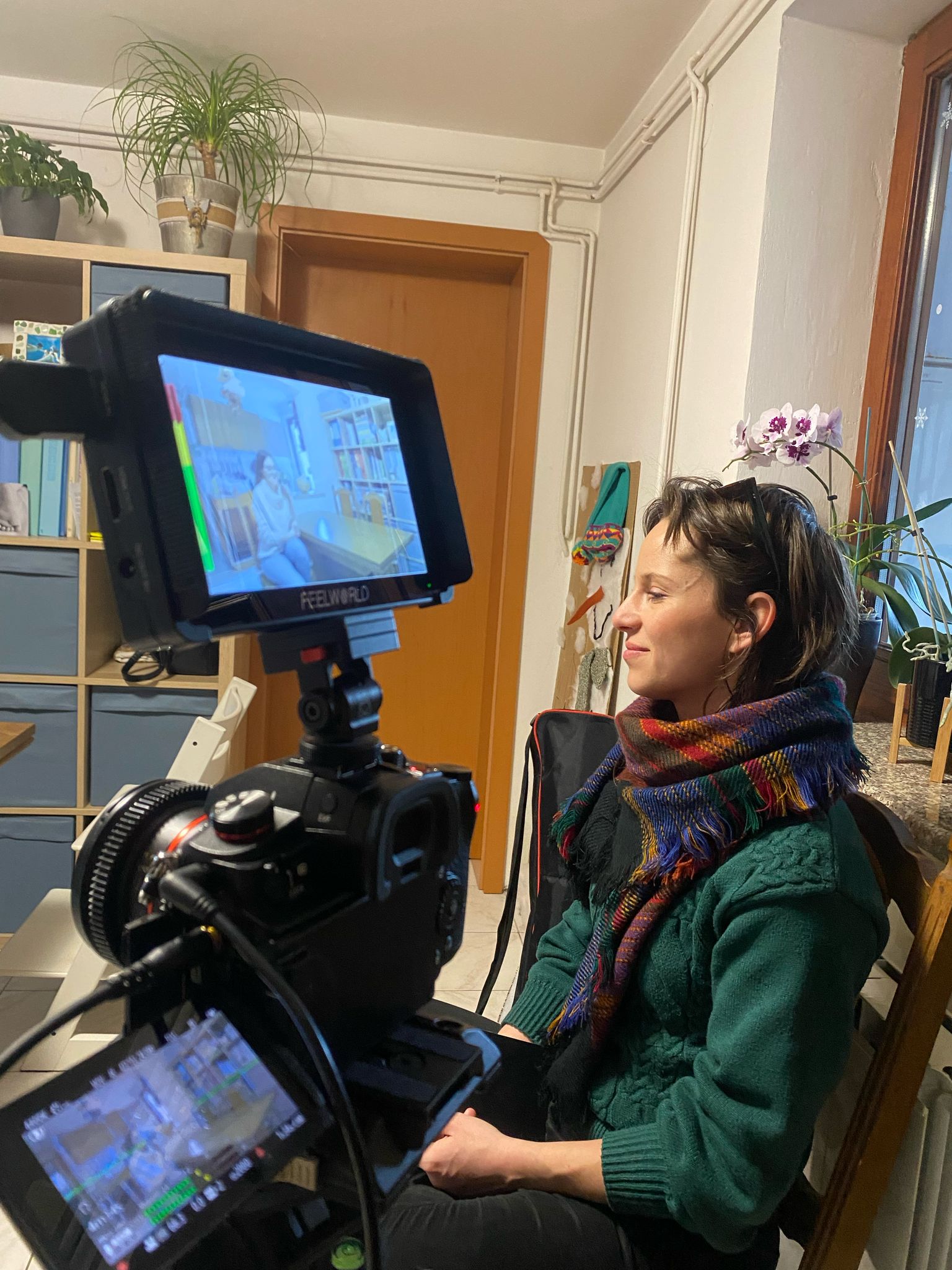
At the same time, the video and sound installation expand the experience of space, establishing a multilayered sensory environment in which the visitor is not merely an observer, but a participant in the process of meaning-making. Throughout the process, the students were guided by Rebeka Bratož Gornik, Joaquín Mora, and Lukas Medveš. The video and sound workshops are conceived as research tools, enabling participants to work with the materiality of reality through recording, framing, voice, noise, and silence. Here, documentary film and sound do not function as mere illustrations of the exhibition, but as autonomous media of thought and as means of recording time, space, and individual experience.
The project was developed under the auspices of the Department of Visual Arts and Design at the Faculty of Education, University of Primorska, and with the support of the Piran Coastal Galleries, the Chamber of Architecture and Spatial Planning of Slovenia and the Regional Museum of Koper.
BIOGRAPHIES
Boštjan Bugarič is an architect, researcher, curator, critic, and editor who lives and works between Koper and Berlin. Since 2014, he has been an editor of the open-source architectural community Architectuul. He is a professor at the Department of Visual Arts and Design at the Faculty of Education, University of Primorska in Koper. In 2017, he was invited as a guest critic at Cornell University Rome and worked as a research associate at the Faculty of Architecture, University of Ljubljana. He leads KUD C3, a collective dedicated to spatial research and contemporary urban practices. In 2011, he received the Golden Cube Award for the project Public City. Between 2008 and 2013, he coordinated the accreditation process and co-founded the Faculty of Built Environment at the University of Primorska, where he served as acting dean from 2011 to 2013. During the same period, he was also president of the Society of Coastal Architects Koper.
Rebeka Bratož Gornik is an independent filmmaker and media artist whose work operates at the intersection of film, artistic research, and spatial studies. In her projects, she explores architecture and public space as social, political, and experiential structures, using film as her primary research and expressive medium. As a film director, she develops research-based projects that combine visual storytelling, fieldwork, and artistic practice, contributing to an interdisciplinary dialogue between film, art, and spatial research.
Joaquín Mora is a director, producer and audiovisual creator focused on the relationship between people and the spaces they inhabit. Over the past decade, his projects have explored different ways in which cultural heritage is manifested, addressing themes of continuity and transformation, as well as how environmental changes affect everyday life. His research raises a central question that runs throughout his work: “In a new complex world, constantly shaped by migration, climate change, population growth, and economic crisis, how do we imagine the concept of living in the near future?” In search of answers, he strives to create reflections through various strategies and audiovisual formats, including experimental videos, series, and documentary materials. He collaborates with multidisciplinary teams that actively engage in listening to project participants.
Lukas Medveš is a sound engineer, music producer, and audiovisual creator with more than two decades of experience in the music industry, film production, theatre, and festival systems. His work combines analog and digital practices, a deep understanding of sound design, and advanced use of contemporary technological tools. In recent years, he has been intensively developing the audiovisual project Valovanja, where he creates generative visual compositions through real-time analysis of sound signals. The project explores innovative ways of connecting sound, image, and performative elements, representing a synergy between technical expertise and artistic research. As a long-time collaborator of Gramatik, he works as a production manager, sound engineer, music producer, organizer, and technical advisor in the execution of concerts and large-scale production projects across Europe and the United States. His role often includes comprehensive technical coordination, sound design, music production, and the development of conceptual and artistic content.
Blažka Šifrar is a student of Visual Arts and Design. In her artistic work, she explores the physical and psychological complexities of human nature.
HABITAR KOPER |
Premiere screening of a documentary film about Koper |
22 May 2026 at 19:00, Koper Regional Museum
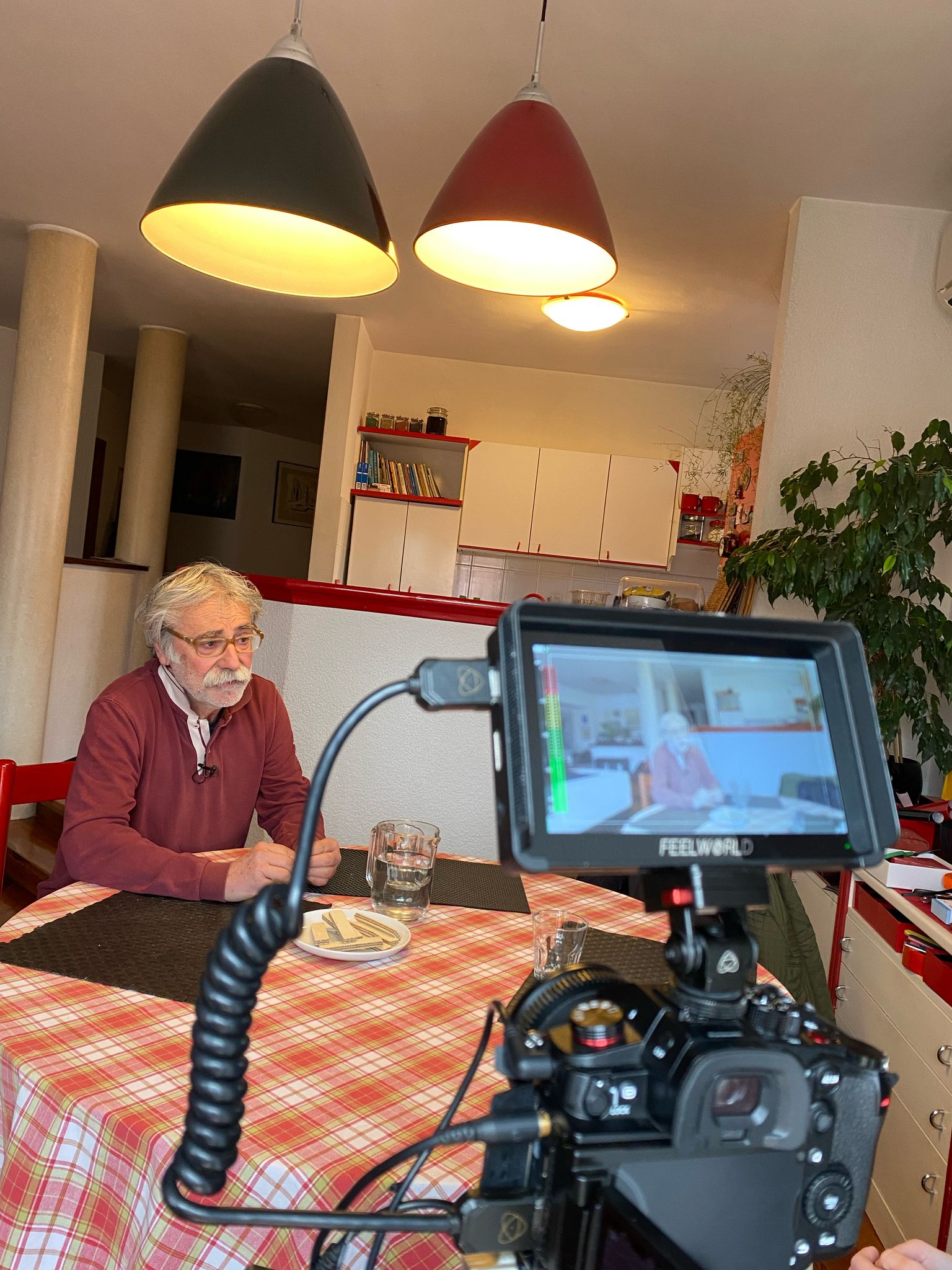
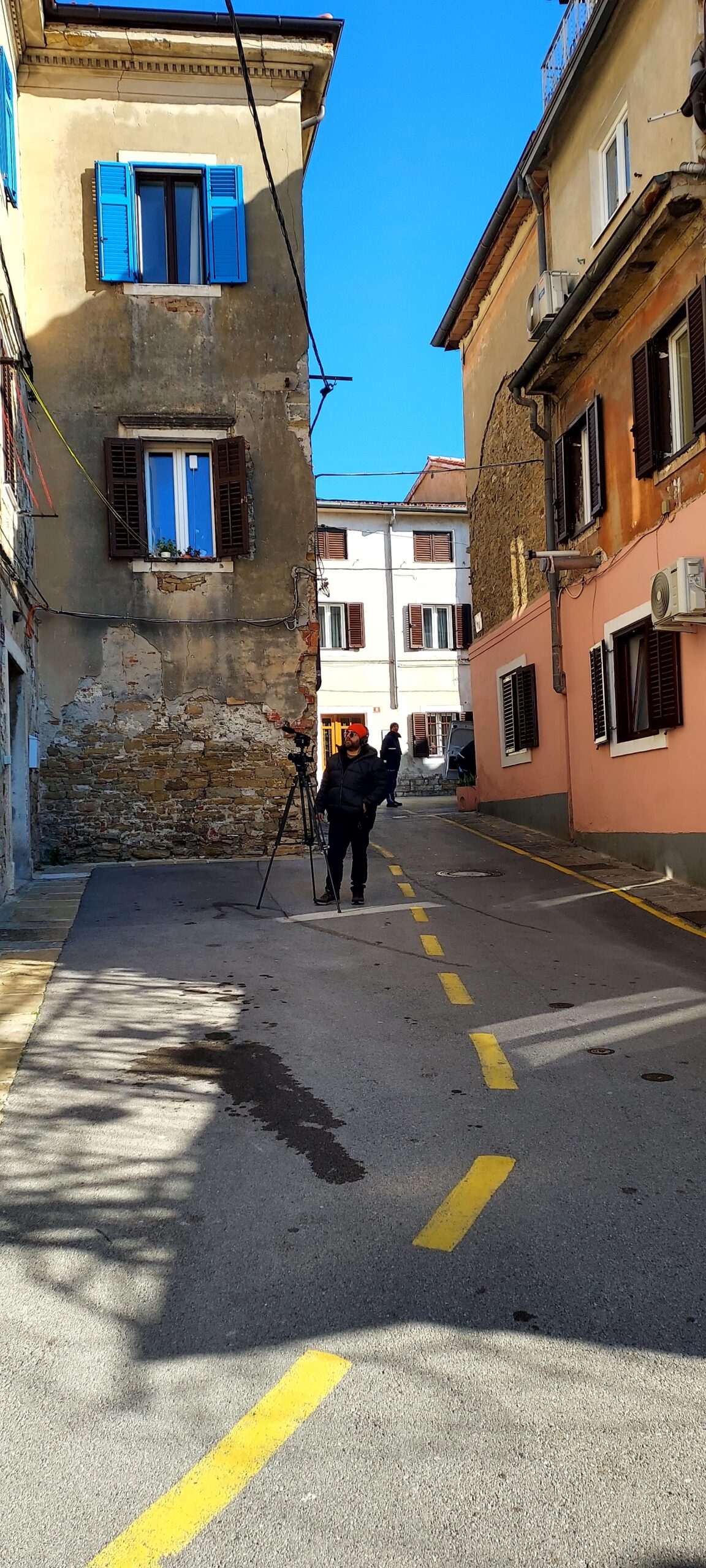
Rebeka Bratož Gornik and Joaquín Mora are independent filmmakers behind the international documentary series Habitar. Their work explores dwelling as a complex experience intertwined with issues of gentrification, urban development, and the housing crisis. Rebeka Bratož Gornik, a director and producer, brings a background in visual arts and socially engaged documentary filmmaking. Her work is marked by a subtle portrayal of human stories and a deep understanding of cultural and social contexts. Joaquín Mora, a Chilean director and visual artist, combines innovative narrative approaches with a strong visual poetics. His transmedia projects invite viewers to reflect on contemporary social issues. Together, they conceived the Habitar Adriatic series as a platform for artistic documentation and critical reflection on how we live today and how we imagine the future of dwelling. The project explores housing experiences in coastal cities across the Mediterranean, opening broader questions about space, community, and home through personal stories. Habitar Koper is a documentary and research project about home as a space of memory, identity, and belonging. Through intimate narratives of Koper’s residents, it reveals how history, migration, community, and urban change shape life in a border city. It is part of the wider international Habitar series, which combines film, photography, sound, and artistic elements to offer a multilayered insight into contemporary ways of living.