Layering –
International group exhibition |
Meduza Gallery, Koper, 12.06.26–20.09.26 –
Opening: Friday, 12. 6. 2026, at 7 p.m. |
Curated by: Andrea Bódis, Barna Benedek, Júlia N. Mészáros, Milán Bódis,
Coordination: Tatjana Sirk.
Artists at the exhibition:
Linda Arts (NL), Beti Bricelj (SI), Maria Chakarova (BG), Rita Ernst (CH), Tünde Fülöp (HU), Katalin Haász (HU), José Heerkens (NL), Barbara Höller (AT), Ingrid Hornef (DE), Martina Klein (DE), Ágnes Kontra (HU), Zsuzsanna Kóródi (HU), Minami Miyajima (JP), Gabi Mitterer (AT), Riki Mijling (NL), Katja Pál (SI), Rita Rohlfing (DE), Anikó Robitz (HU), Esther Stocker (IT), Anna Szprynger (PL), Mar Vicente (ES), Olga Zabron (PL).
The international group exhibition Layering presents twenty-two contemporary women visual artists from different generations, from ten European countries and Japan, united by a distinctive visual language primarily associated with Op Art. The exhibition is the result of a collaboration between Piran Coastal Galleries and 37 Gallery fromBudapest directed by Andrea Bódis. Active since 2010, the gallery pays particular attention to emerging artists, offering them promotional support during the first five years of their professional careers. Since 2017, its activities have focused mainly on artists working in the fields of geometric abstraction and concrete art.
In 2024, the gallery conceived and organized an international travelling exhibition dedicated to women artists represented by the gallery. In addition to their shared gender identity, these artists are connected through research developed across different media within the artistic practices described above. The initiative was created primarily to encourage networking among European galleries capable of recognizing, without prejudice, the quality of the selected artists’ work and the importance of female creativity within the visual arts and contemporary society as a whole. The project, which is still ongoing and continuously evolving, has already attracted prestigious partners from other European countries, creating new opportunities for dissemination, increased visibility, and critical recognition of the participating artists’ achievements on the international stage.
The exhibition highlights the complexity and multiplicity of meanings in contemporary visual art, as well as the thematic, linguistic, and technical specificities of the participants, their use of diverse media, and the innovative approaches that characterize their practices. The exhibition also explores the sources of inspiration behind the works on display. This series of exhibitions is therefore not a gender-focused exhibition, but rather a unique opportunity to present and promote the most recent achievements of the participating artists as a collective, while also allowing audiences to engage directly with the individual works and the creative personalities behind them.
The exhibition was first presented in 2024 in Budapest (37 Gallery); it then travelled to Vienna (Sehsaal Galerie), Cologne and Coaraze (Floss und Schultz Galerie), before finally arriving in Sofia this year (Nonsofia Gallery and Archive – Centre of Geometric Art). In each country, new artists were involved, generally from the host nation. In previous editions, Slovenia was represented by Beti Bricelj; for the current exhibition at the Medusa Gallery, Katja Pál has also been selected. The project is scheduled to conclude in 2028, year in which a collective catalogue will also be published. The volume will document the cycle of exhibitions held in European galleries and, through critical essays, will offer an assessment of the exhibition network built up over the course of the project, as well as of the individual artistic approaches of the participants.
The international exhibition is part of the main exhibition program of PCG, supported by the City Municipality of Koper and Ministry of Culture RS.
Tatjana Sirk
Translation: Giorgia Simioni.
PARTICIPATING ARTISTS
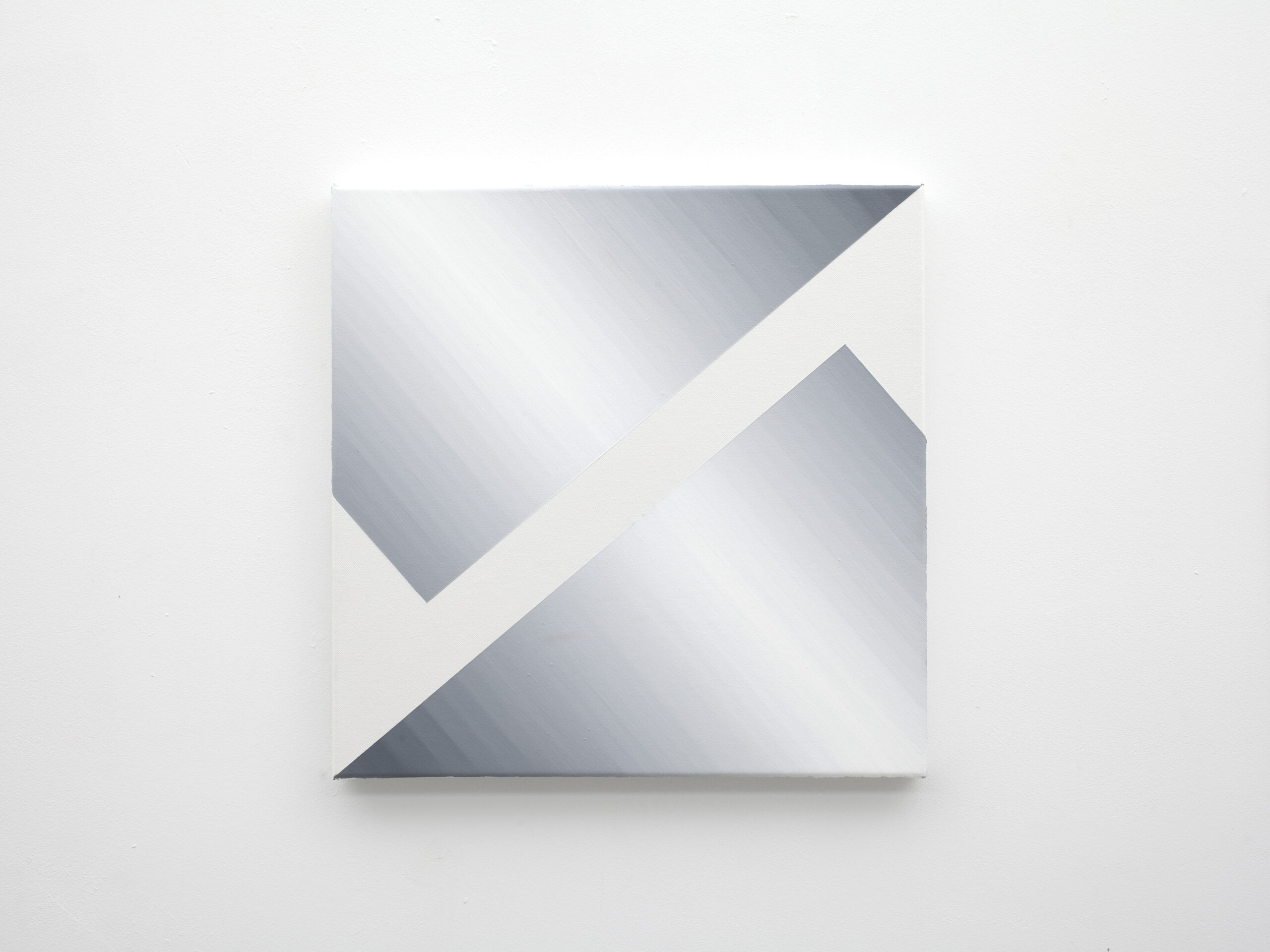
Photography by Rene van der Hulst.
Linda Arts (1971, Netherlands)
The work of Linda Arts focuses on light, space, and perspective, and is characterized by the use of black, white, and all the shades in between. Through an interplay of greys and planes, new—sometimes distorted—perspectives emerge, which often generate an optical effect.
Because Arts works with oil paint, the process of creation is slow. This also applies to the viewing experience: the work does not reveal itself at a glance, but instead calls for stillness and an attentive, contemplative approach.
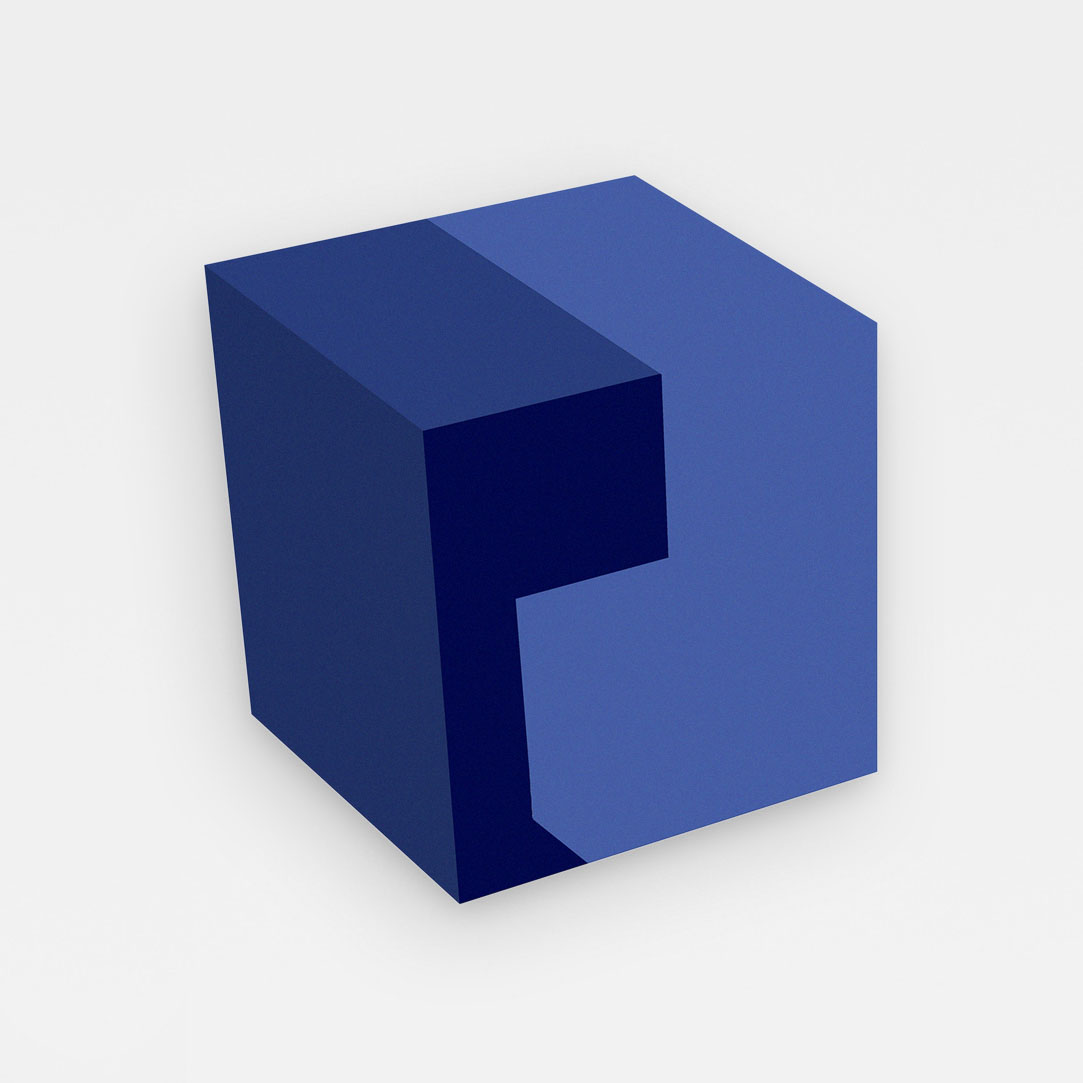
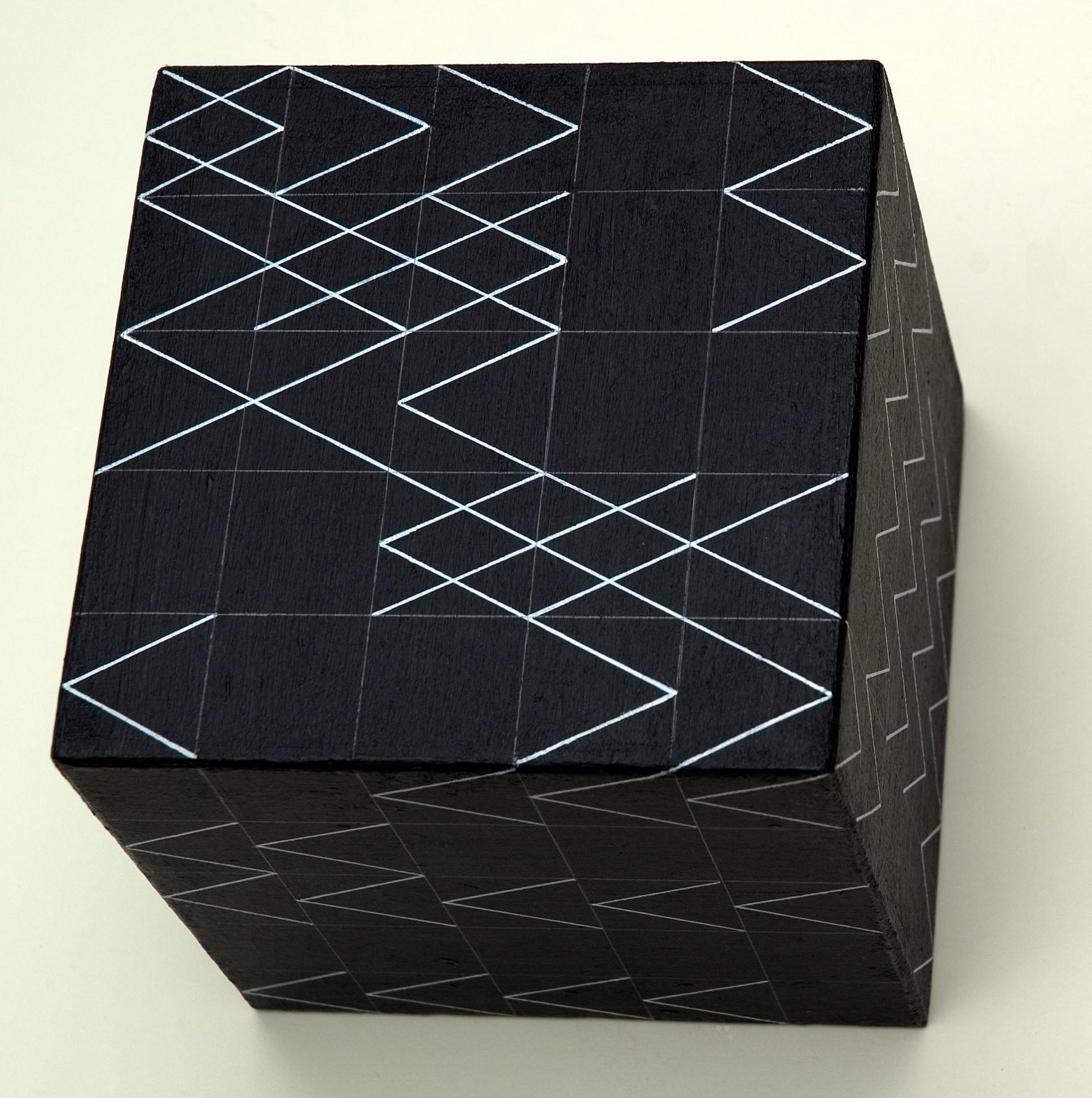
Beti Bricelj (1974, Slovenia)
The cubes function as an operative diagram rather than a representation of a three-dimensional object. Their role is analytical: they enable an exploration of the relationships between flatness, depth, and perception. The process is grounded in a predefined system of rules that structures the work and allows differences to emerge as an immanent result of the system itself.
Within this system, colour operates as a destabilising element. It blurs the boundary between flatness and spatial clarity, encouraging an oscillation between reading the cube as a volume and perceiving its internal space. The internal and external boundaries evade stable orientation, triggering a continuous reconstruction of spatial logic. The artworks do not represent space; they activate it. The viewer becomes a participant in the process of visual reconstruction, where meaning arises through the relationship between the observer, the gaze, and the object. Space is understood as a result of viewing — as an experience initiated and constituted by the work. Each act of looking reconstructs a space that never stabilises but remains in a state of constant transformation.
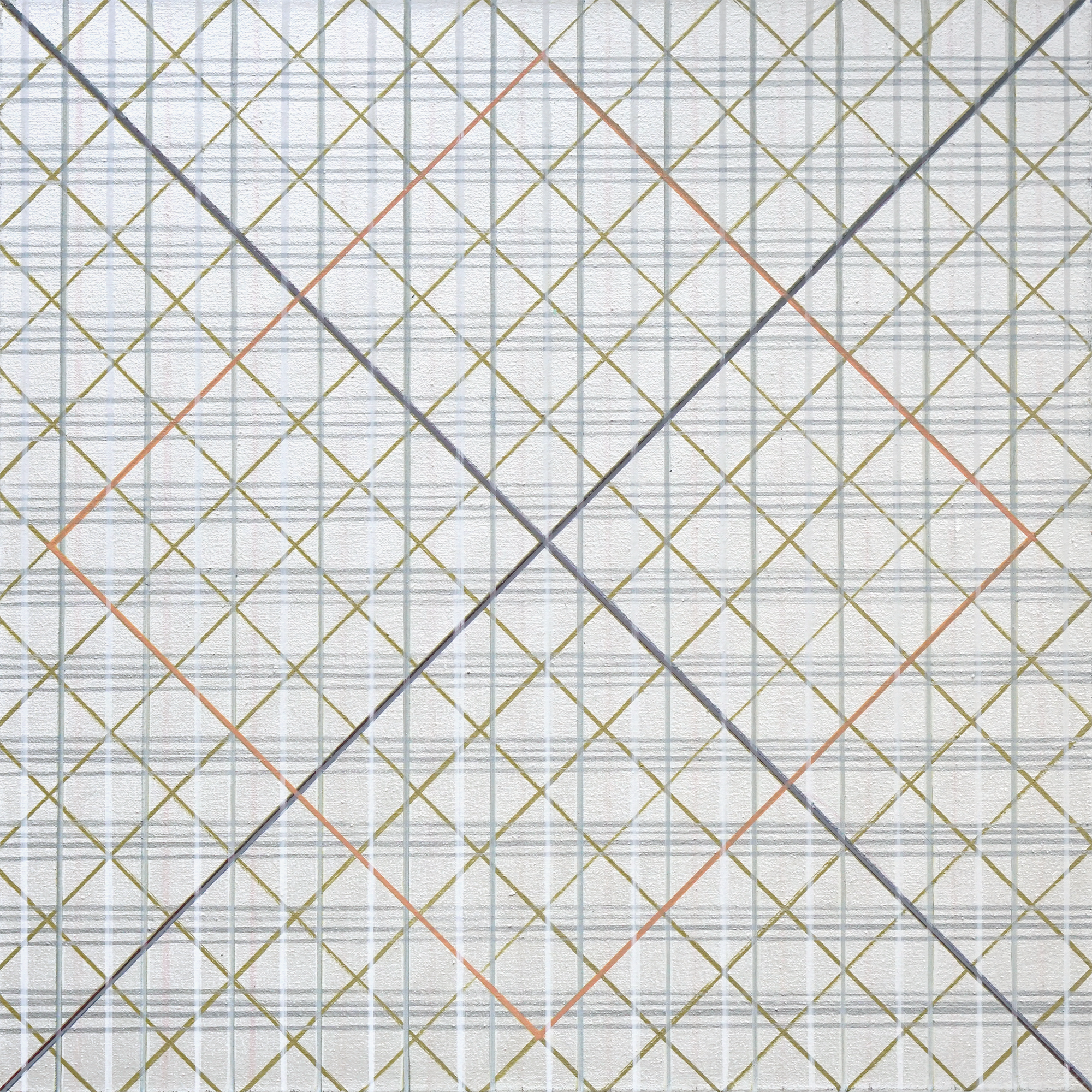
Maria Chakarova (1972, Bulgaria)
She works in the field of non-objective art. Her artworks are primarily large-scale oil paintings, though she also incorporates acrylics, markers, and thread. Her working method involves reduction, multi-layering, as well as the use of primary colours and saturated tones.
Maria Chakarova’s working process involves simplifying and abstracting from visual facts and narrative. She achieves multi-layering by building up thin layers of oil paint until an intense colour or tone is achieved. These small canvases, however, are different. In them, the colour of the base, in harmony with the grid and the colour geometry, combines in an ethereal mixture of tone, spatial structure, and light. This vibrational environment is central to the painting. Chakarova associates her work on these pieces with a positive memory of ease: the pleasure of making a painting through the order and relationships of pictorial elements and colours.
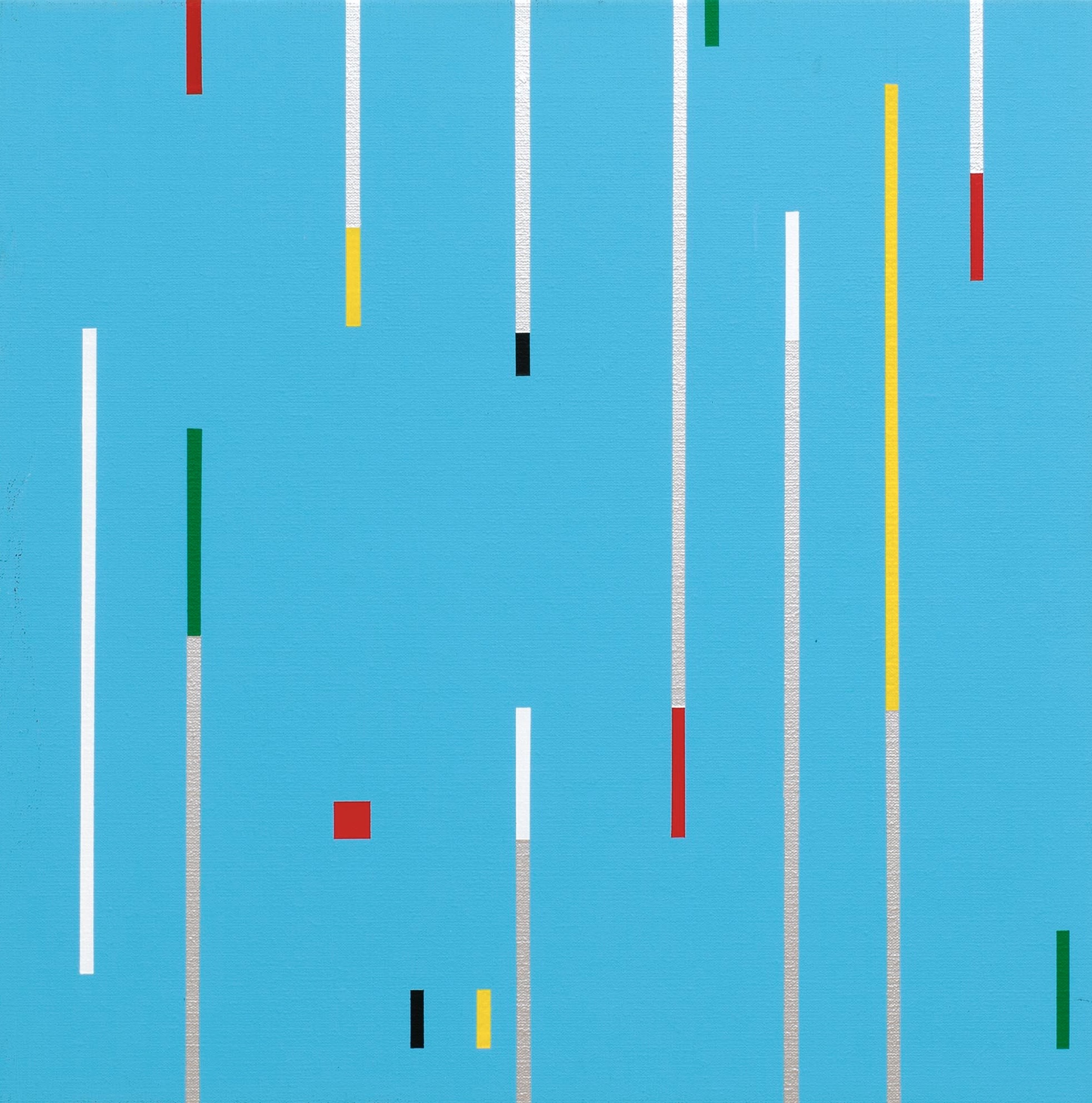
Rita Ernst (1956, Switzerland)
Rita Ernst is a Swiss abstract painter known for her painterly reinterpretations of architectural forms and geometric systems. She lives and works in Zurich and Trapani, Sicily; her art forms a bridge between concrete art and intuitive abstraction.
Ernst’s works move along the boundary between architecture and painting. Starting from architectural floor plans, she transforms her paintings into systems of thin vertical bands and color fields that evoke the rhythm and proportions of the original structures. Although she is associated with the tradition of the The Zürich Concretists, she consciously departs from strict rational construction and instead emphasizes the intuitive and emotional process of painting.
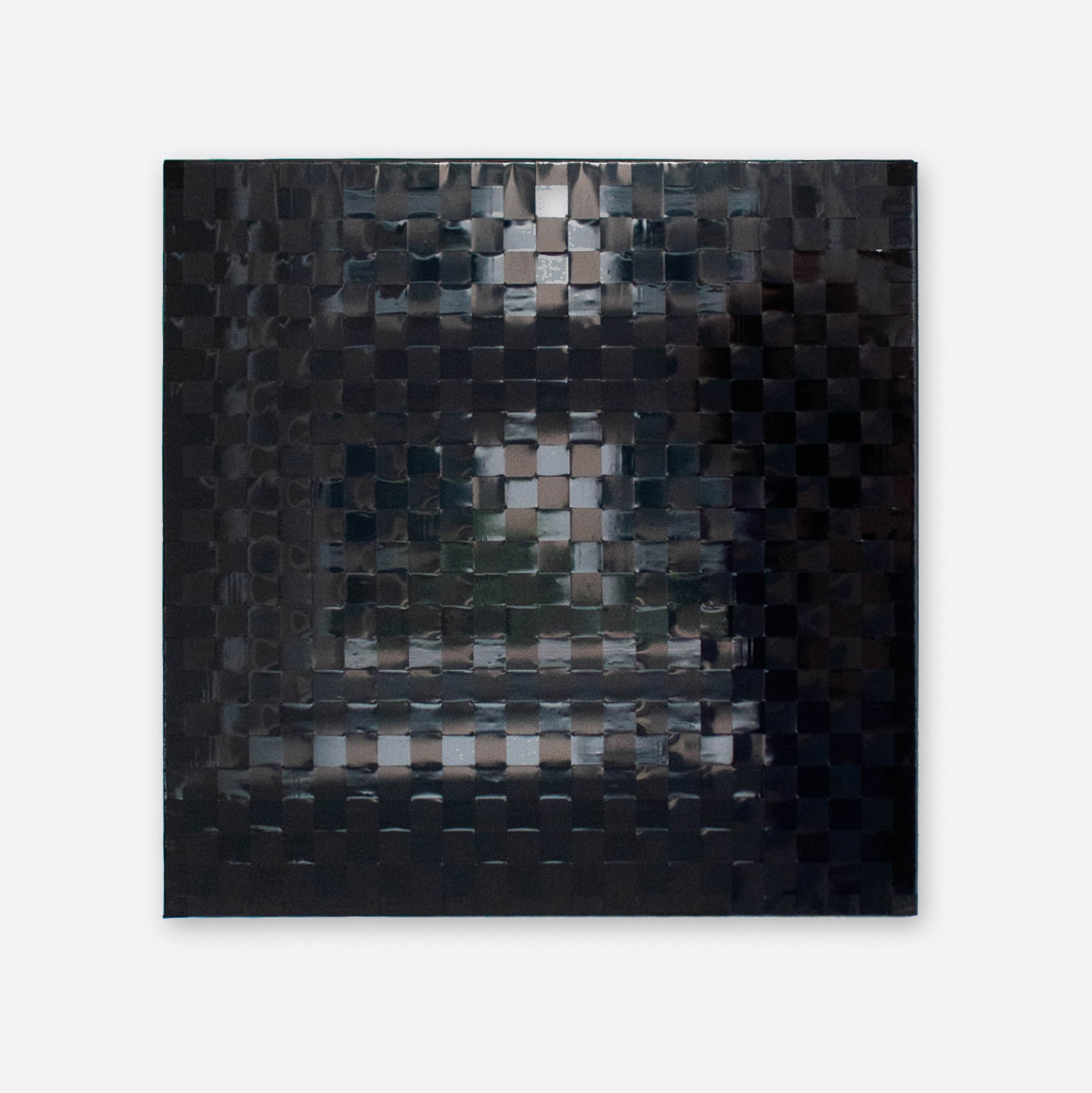
Tünde Fülöp (1986, Hungary)
Tünde Fülöp is a Hungarian textile artist known for her innovative approach to traditional textile techniques. She combines fine craftsmanship with contemporary artistic vision, creating works that explore texture, colour, and material relationships. Her art often reflects themes of nature, memory, and cultural heritage, expressed through weaving, embroidery, and mixed textile media. Fülöp has participated in numerous exhibitions in Hungary and abroad, and her works can be found in both private and public collections.
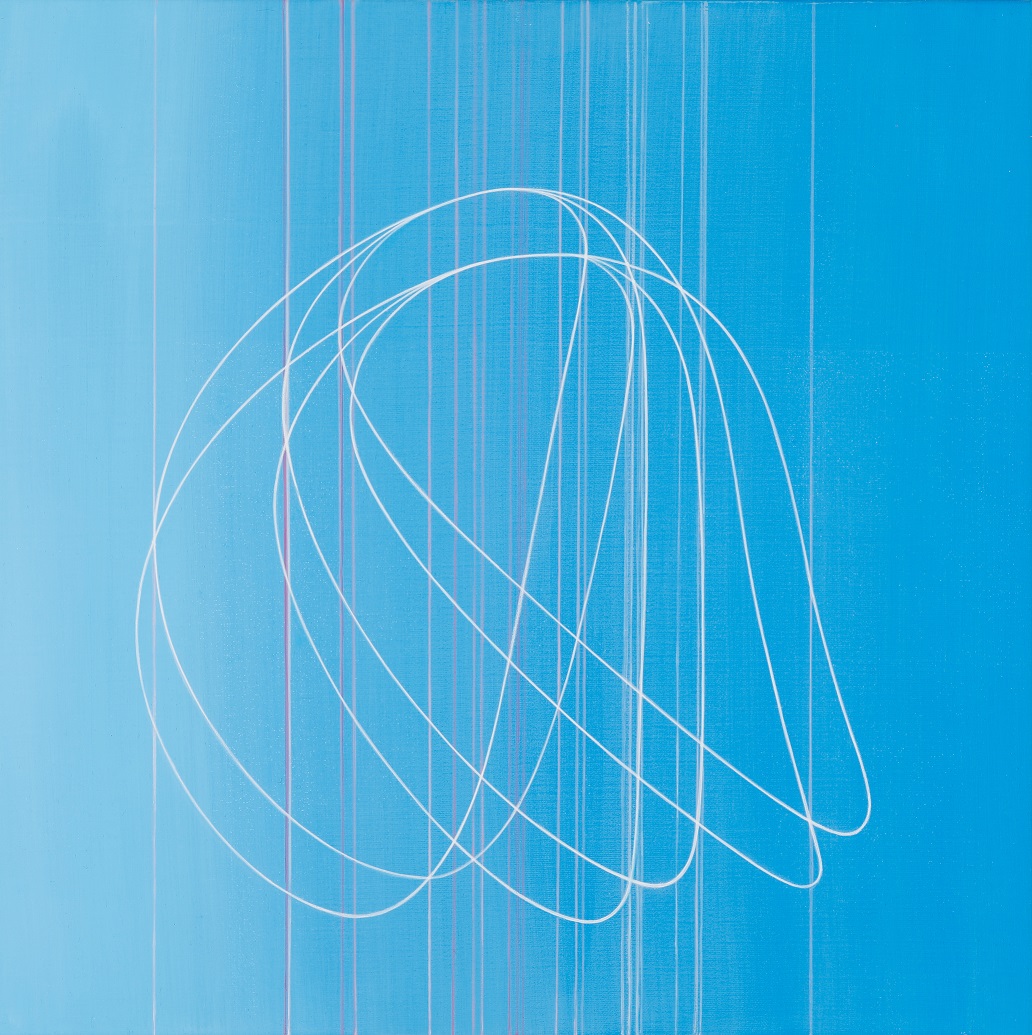
Katalin Haász (1971, Hungary)
In 2008, Katalin Haász created a sundial whose shadow caster is a Möbius strip; the outlines of the cast shadows create a system of lines with which she has been working for years. The Möbius strip is a surface that has only one side and one edge – if you follow it, it “reverses” on itself. This strange property in itself carries a philosophical meaning: continuity, infinity, the resolution of opposites.
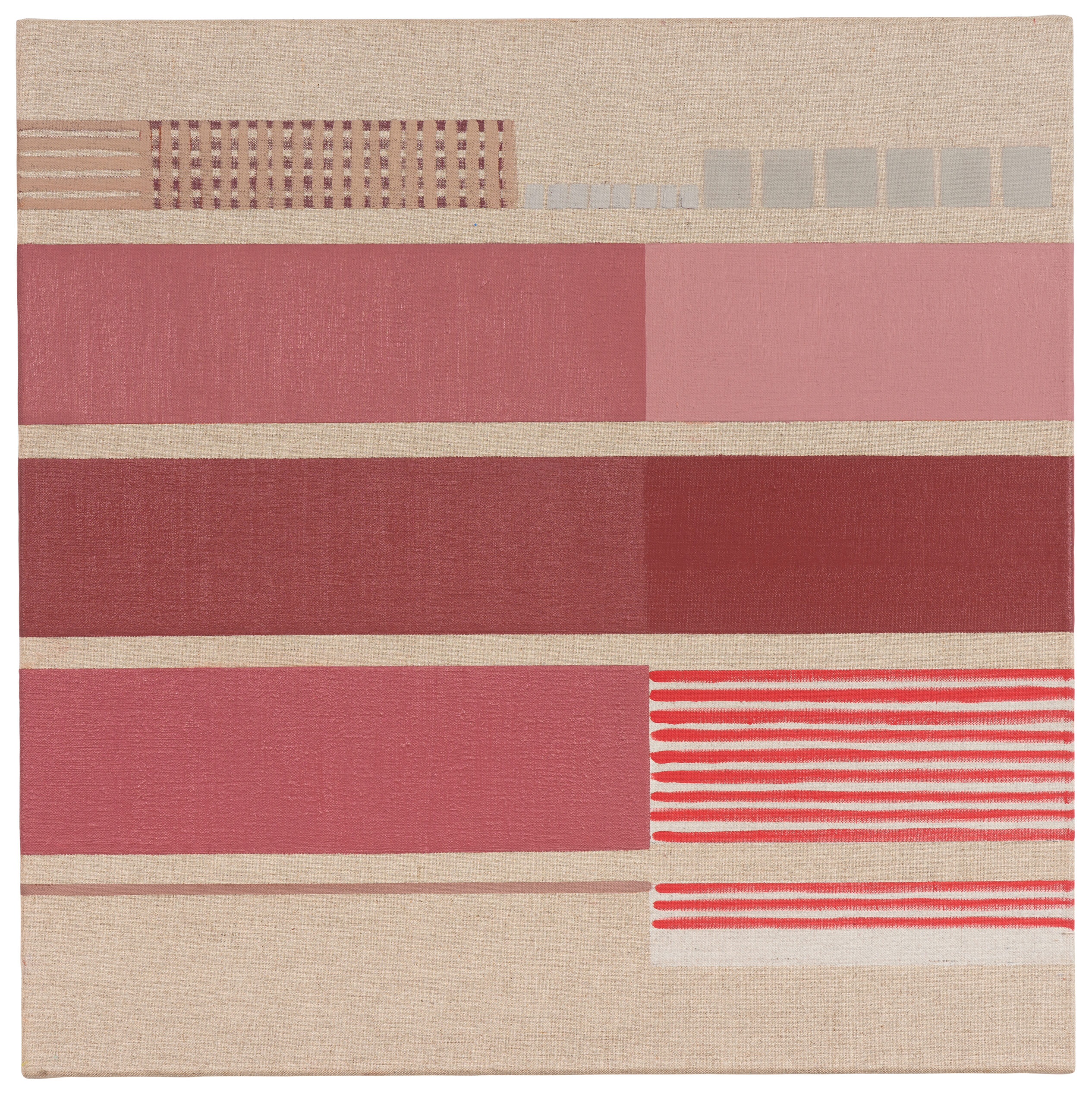
José Heerkens (1950, Netherlands)
José Heerkens’s work ÖCö L11. One Evening is a characteristic example of the artist’s minimalist abstract painting. The work is an oil painting on canvas, built from subtle color transitions and rhythmic vertical and horizontal bands. At first glance, the composition appears restrained and meditative, yet with prolonged viewing delicate effects of light and spatial depth begin to emerge.
A central theme in Heerkens’ art is the perception of coluor, light, and time. The title One Evening suggests that the painting evokes the atmosphere or light conditions of an evening rather than depicting a specific landscape or scene. The artist frequently uses titles referring to times of day because her paintings convey atmospheres and inner perception rather than representational imagery.
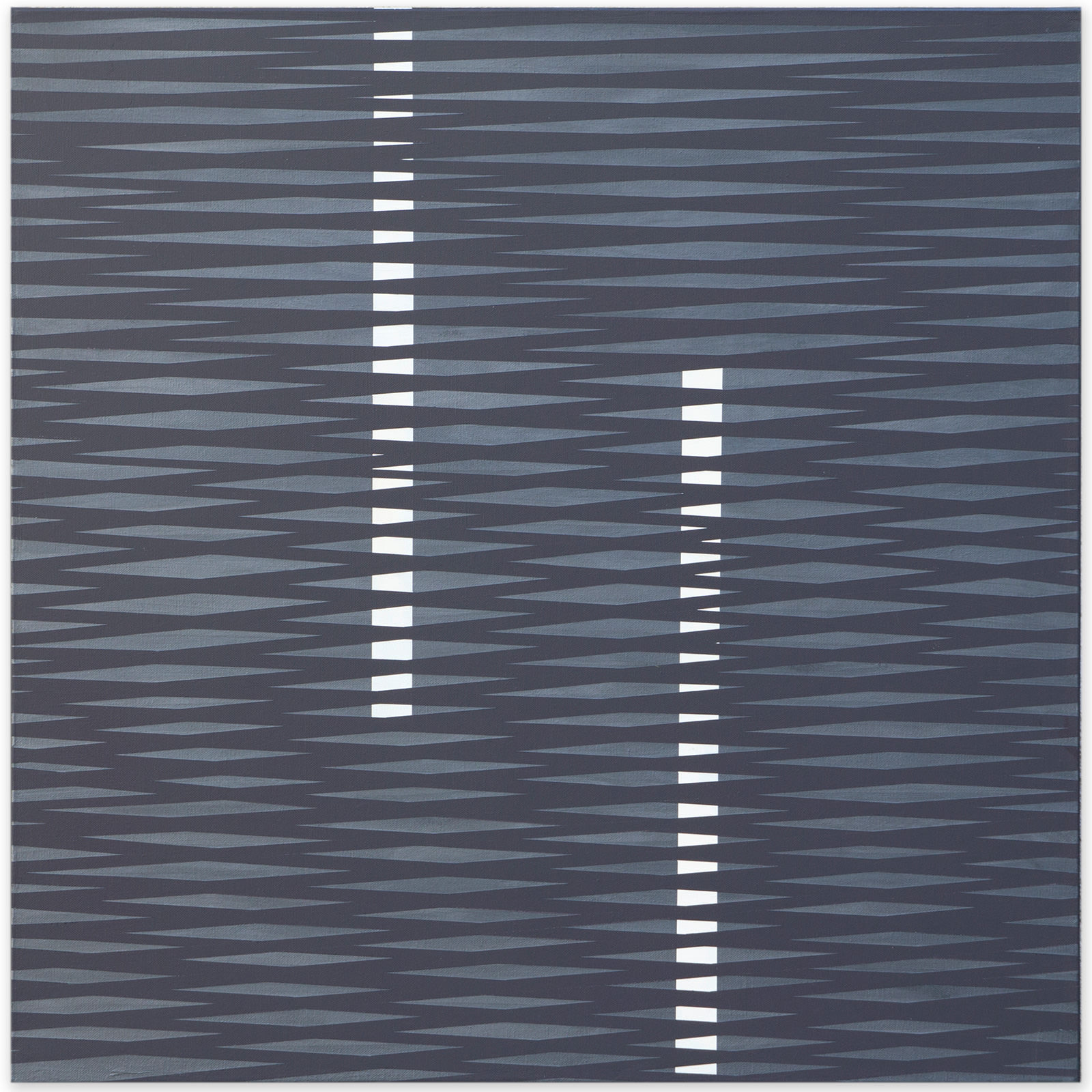
Barbara Höller (1959, Austria)
Lines are present in Barbara Höller’s works as grid or net structures, as overlapping, fading and broken. The artist usually works in series, for each of which she develops a new system that is strongly determined by the materials used, the format and the colour application employed. Barbara Höller’s continuous striving for systematisation means that she already devises new strategies for future groups of works during the working process of a series.
The artwork titled Square 2 (2018) reflects the artist’s painterly approach to geometric abstraction. Höller’s works are characterized by a reduced use of form, subtly structured colour fields, and compositions that evoke a sense of architectural space. Within the painting, interacting planes, lines, and colour fields generate both tension and balance. The use of acrylic paint allows for clean, homogeneous surfaces and sharp formal boundaries, which are among the important characteristics of Höller’s paintings. Her art explores questions of order and rhythm, the relationship between repetition and variation, the activation of the viewer’s spatial perception, and the traditions of minimalism and constructive abstraction.
Ingrid Hornef (1940, Germany)
In her paintings, Ingrid Hornef makes the laws of chance visible in a highly aesthetic way – and amazes not only art lovers. Each painting has its own unique artistic effect. While one painting seems to be filled with a jumble of lines, others feature clear patterns, open spaces, or tangram-like figures. As the artist, she sets the rules: the choice of colors, the dimensions of the paintings, the type of lines and shapes, the criteria to be determined by rolling dice. Then, however, she uses chance as a “gift of the muses," which gives each painting its own distinct character.
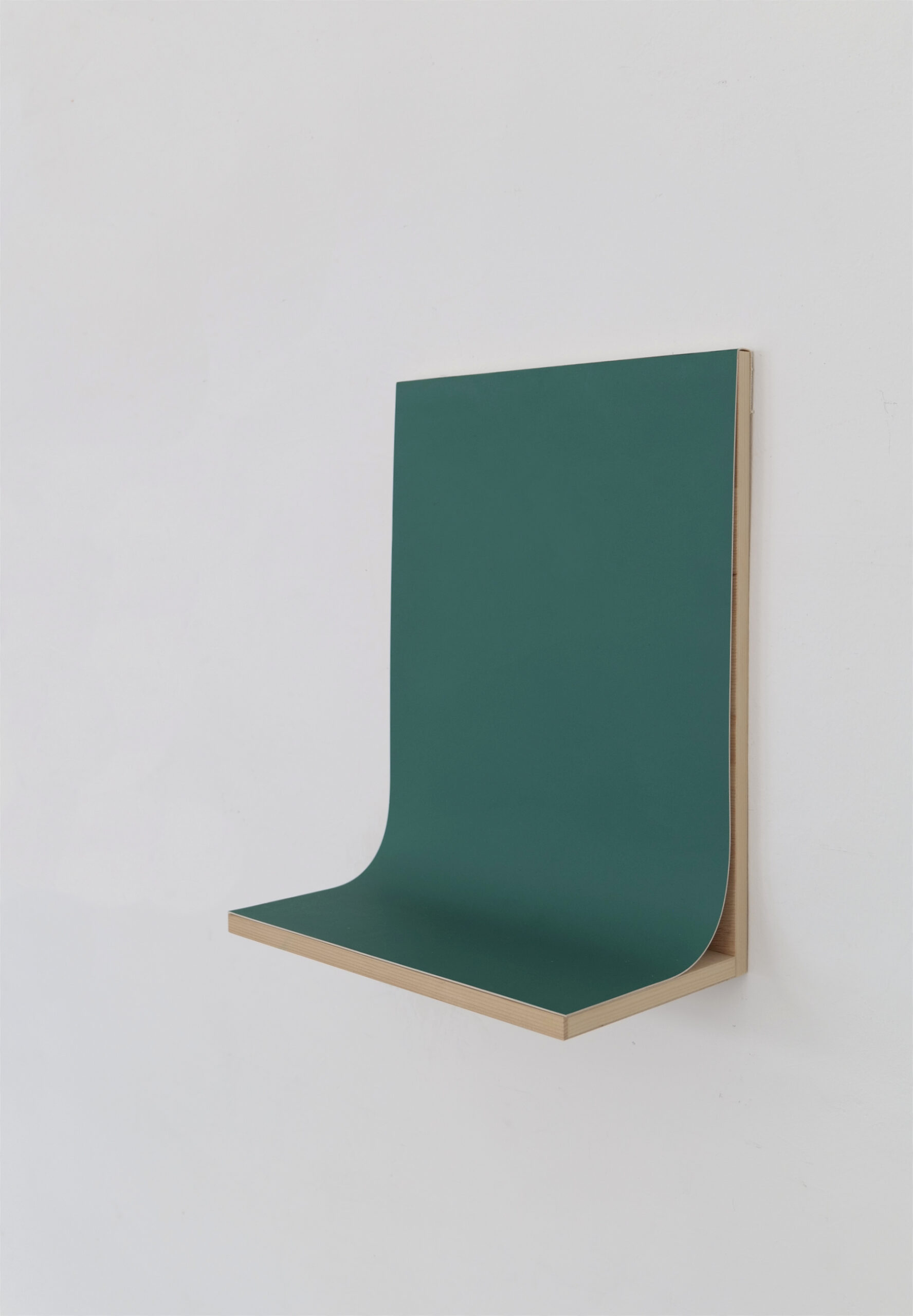
Martina Klein (1962, Germany)
In her monochrome works Martina Klein explores painting to the depth of its foundations. The effects of colour, materials and the perception of viewers in space are the starting point of her artistic work. Her painterly approach follows in the footsteps of so-called “analytical” conceptual painting, but she develops a distinctive formal language that is completely her own. Strictly monochrome surfaces project into the exhibition space due to the unconventional structural placement of her canvases. Other works bend because of their L-shaped supports and are mounted on the wall or freely anywhere in the space. They become paintings that shape space and correspond with each other. Often these are site-specific installations with variable forms and arrangements. In these changing contexts Martina Klein examines the interrelationships between the converging roles of viewer, art work and artist.
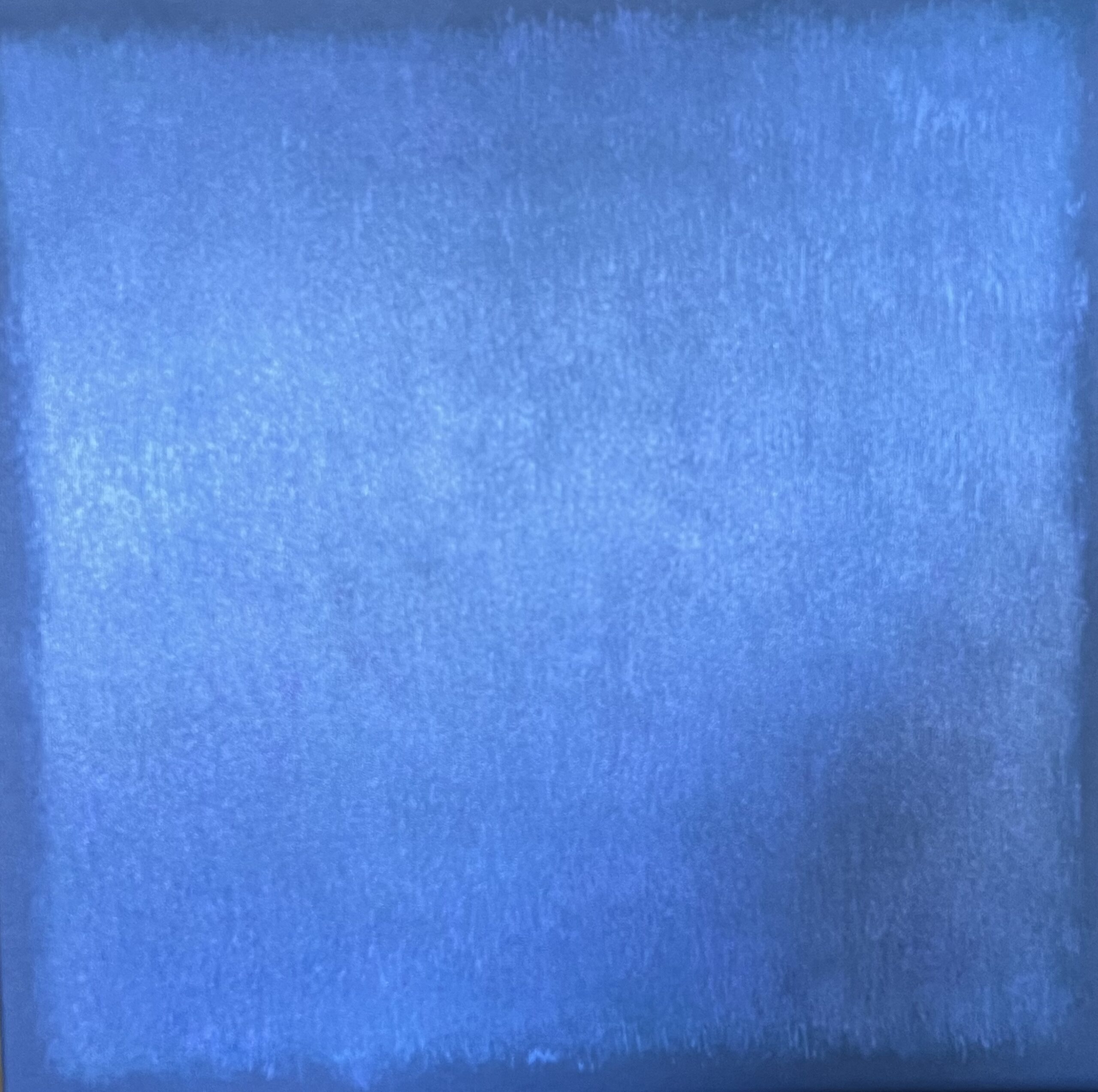
Ágnes Kontra (1977, Hungary)
Ágnes is primarily inspired by the exploration of the inner landscapes of the human soul and by her journeys in the external world. Her art is an introspective, lyrical, and sensitive form of painting that invites personal interpretation from the viewer. Soft colour transitions and atmospheric spaces are characteristic of her work, creating a meditative mood. In her paintings, she uses 15–20, or even more, layers of oil paint built upon one another. Due to these thin, successive layers, the colours do not appear on a single plane; instead, they gain optical depth and seem almost to float. The underlying layers subtly shine through, giving the paintings a unique, inner luminosity. This is a very time-consuming process, as each layer must dry, making the creation of her works a long, meditative practice.
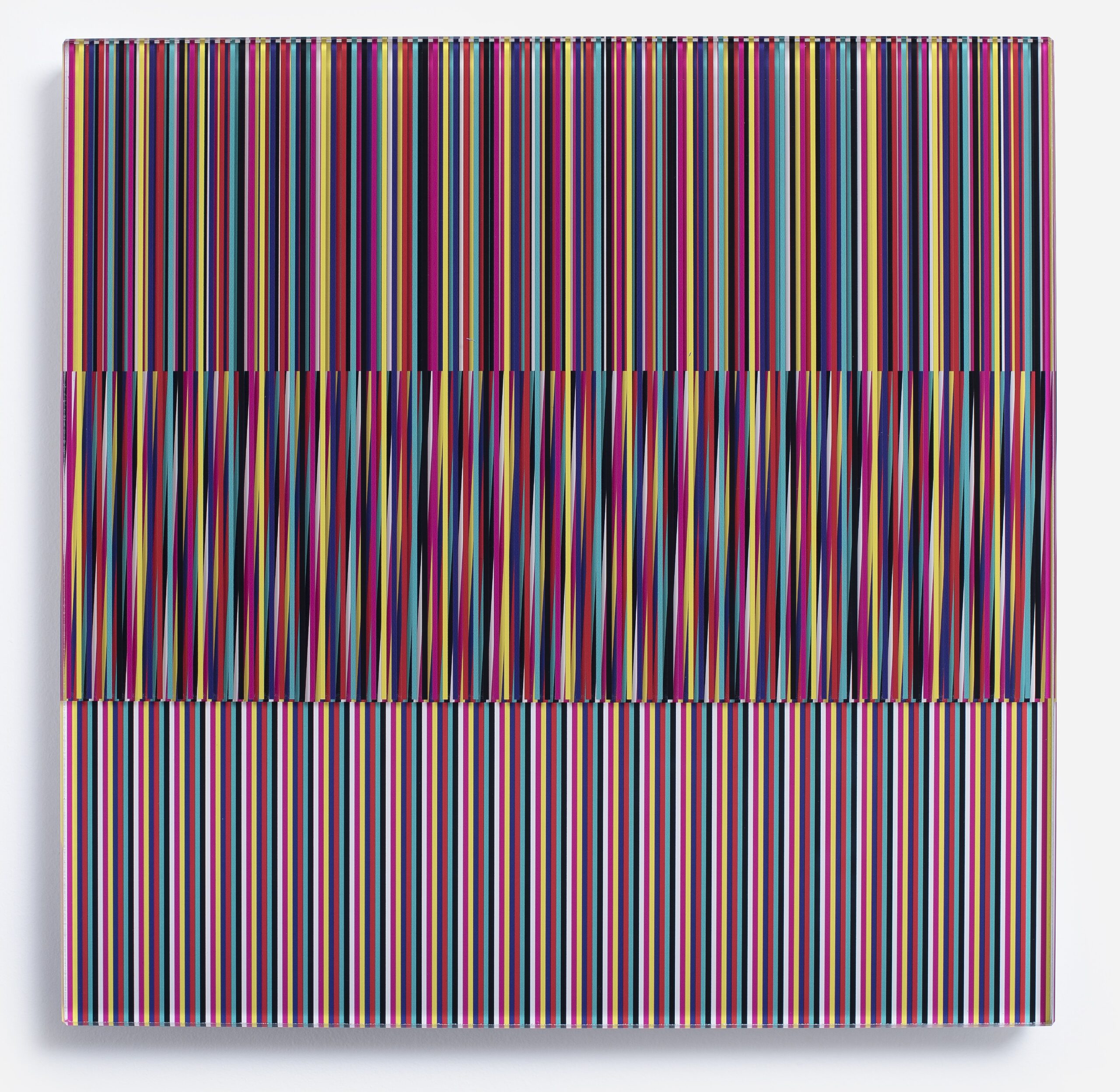
Zsuzsanna Kóródi (1984, Hungary)
Zsuzsanna Kóródi always thinks in layers. These layers generate parallel and perpendicular images that move in both space and time and are characterized by a repeating rhythm. Most of her series revolve around the topic of different screens and reflect on the digital environment. In her sculptures and images, the visual image, movement, or geometry of light is always created between two such layers, placed at a given distance from one another. She incorporates handcraft, as well as industrial and digital technologies, combining them to evoke delicate contrasts that help her expose a given problem. She is mostly interested in monochromatic plane-forms and, lately, in color transitions.
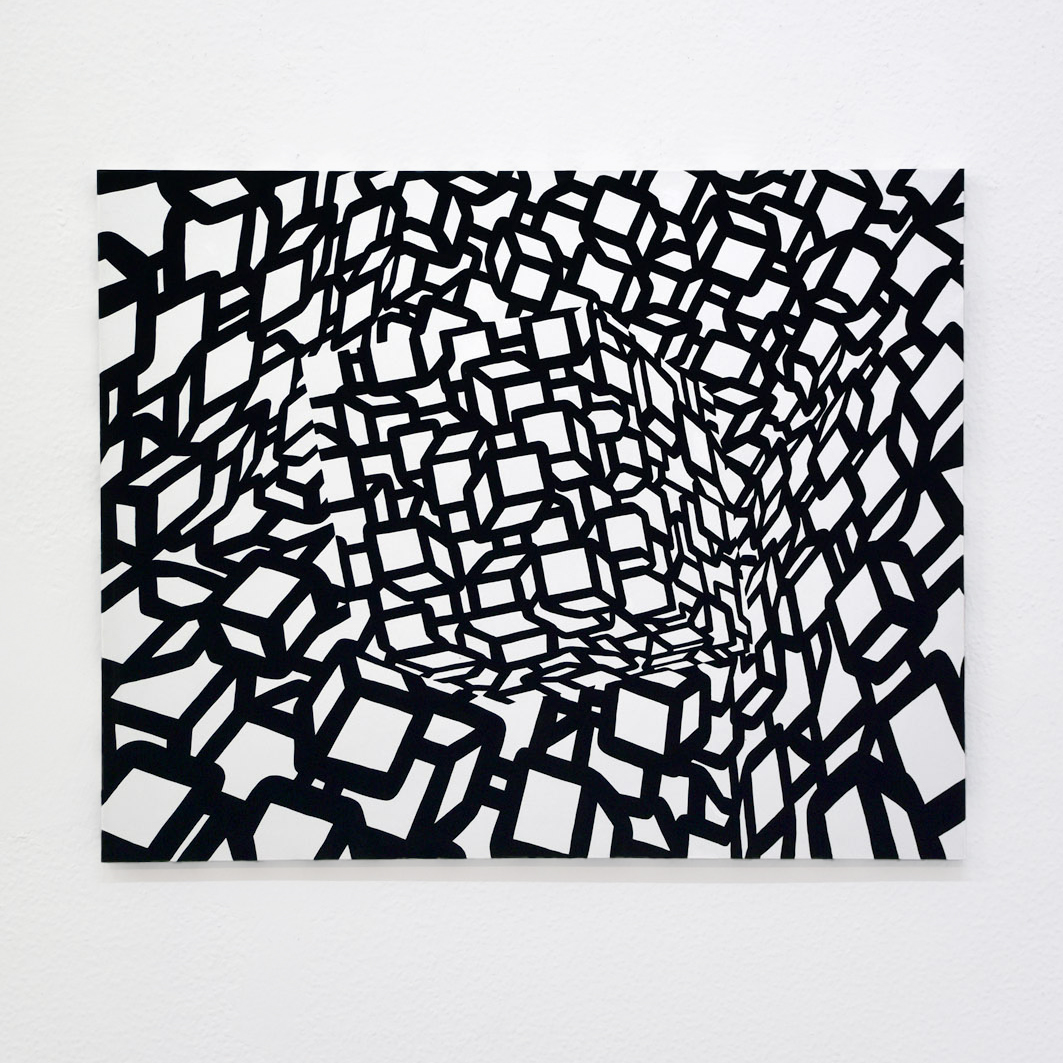
Minami Miyajima (1997, Japan)
Minami Miyajima is a young Japanese contemporary artist known for geometric paintings built mainly from squares and cube-like structures. In her works, urban spaces, memory fragments, and the inner psychological world meet within a minimalist black-and-white or subdued colour palette. Her artworks do not depict specific places; rather, they are abstract impressions of memory, time, and perception. She is primarily interested in creating a space in which the viewer can discover their own meanings and associations. The interpretation of her works depends entirely on the viewer’s background, which makes them so fascinating to the viewer – they can be interpreted in an infinite number of ways.
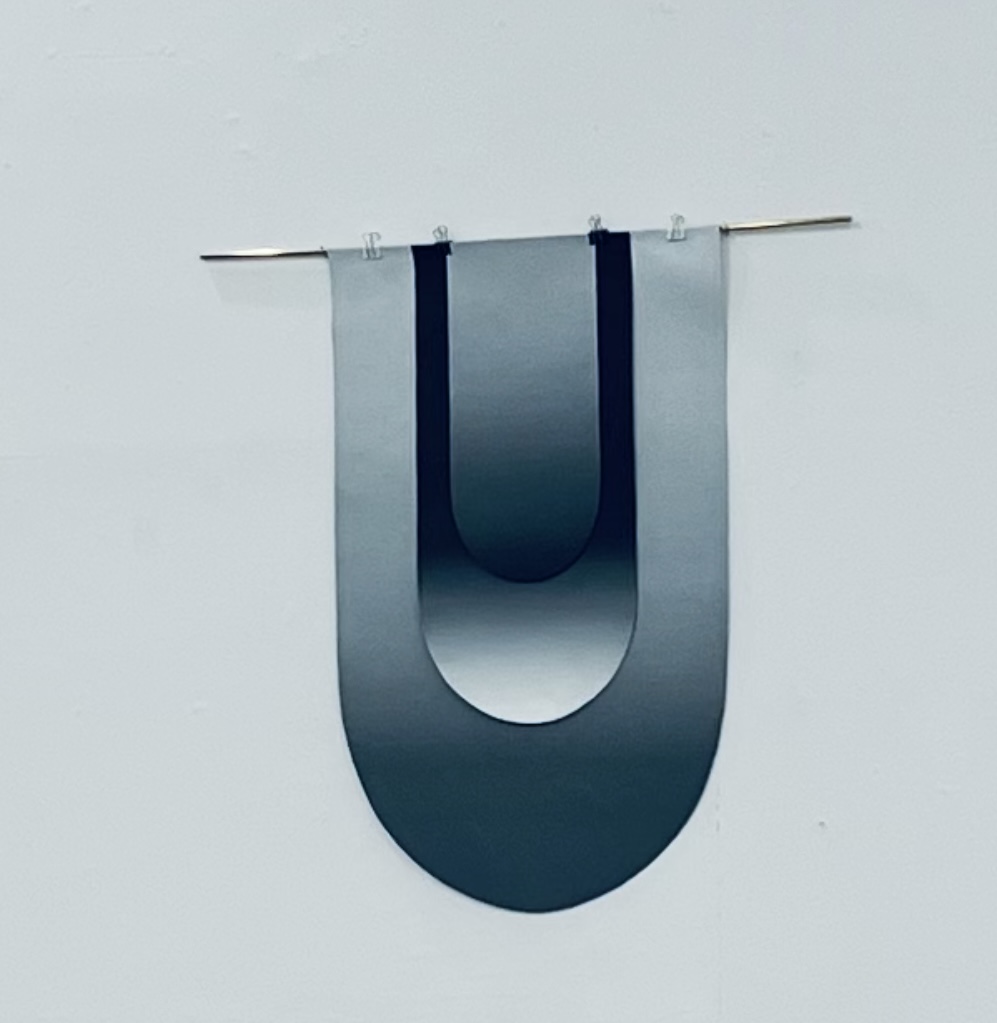
Gabi Mitterer (1967, Austria)
The work series FLUPES (FLuide/striPES) consists of loose strips of canvas that—symbolically as well—detach themselves from the traditional panel painting, deconstructing it in order to be arranged into new, variable image constellations. This is made possible by metal clips that fix and hold together the overlapping canvas strips on a brass rod. The achromatic color gradient and the rounded ends reinforce the fluid element, which is also inherent in the consistency of oil paint and is, in a sense, transformed into a solid state by its application to the canvas. The digital aesthetic of the work is intended to reference the blurring of the medium(s) which, due to the illusion of depth, takes into account the aspect of deception and is further intensified by the layering of the strips.
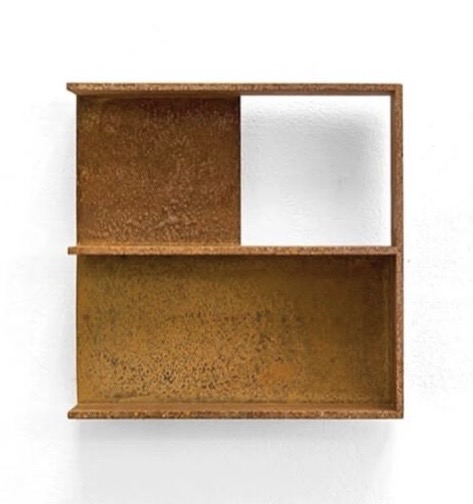
Riki Mijling (1954, Netherlands)
Riki Mijling’s work Infinite Void represents the development she has undergone over the past ten years. Many aspects of her recent work are present in it: the use of burnt or rusted steel, form and negative space, and the possibility of hanging the work freely.
The manner in which mass and emptiness inside Mijling’s work function together is without meaning in the sense that no story is being told – and yet the emptiness in her work is a simulacrum, a semblance. Because what is ‘emptiness’? What is ‘nothing’? The secret covenant between observer and sculpture sometimes reveals the answer to these questions. In Mijling’s case, not by thinking about what there is to be seen, but by experiencing the confined emptiness, peacefulness, and contemplation. One does not ‘get’ Mijling’s work; one experiences it.
Riki Mijling works within a minimalist tradition. Using materials such as cast iron, burnt steel, and CorTen steel, Mijling arrives at a simplification of forms that is essential to her: a non-objective formal language not tied to a ‘subject’. It is therefore non-referential work, not referring to a world outside that of the artwork itself.
(Text by Antoon Melissen from the catalogue Reduction)
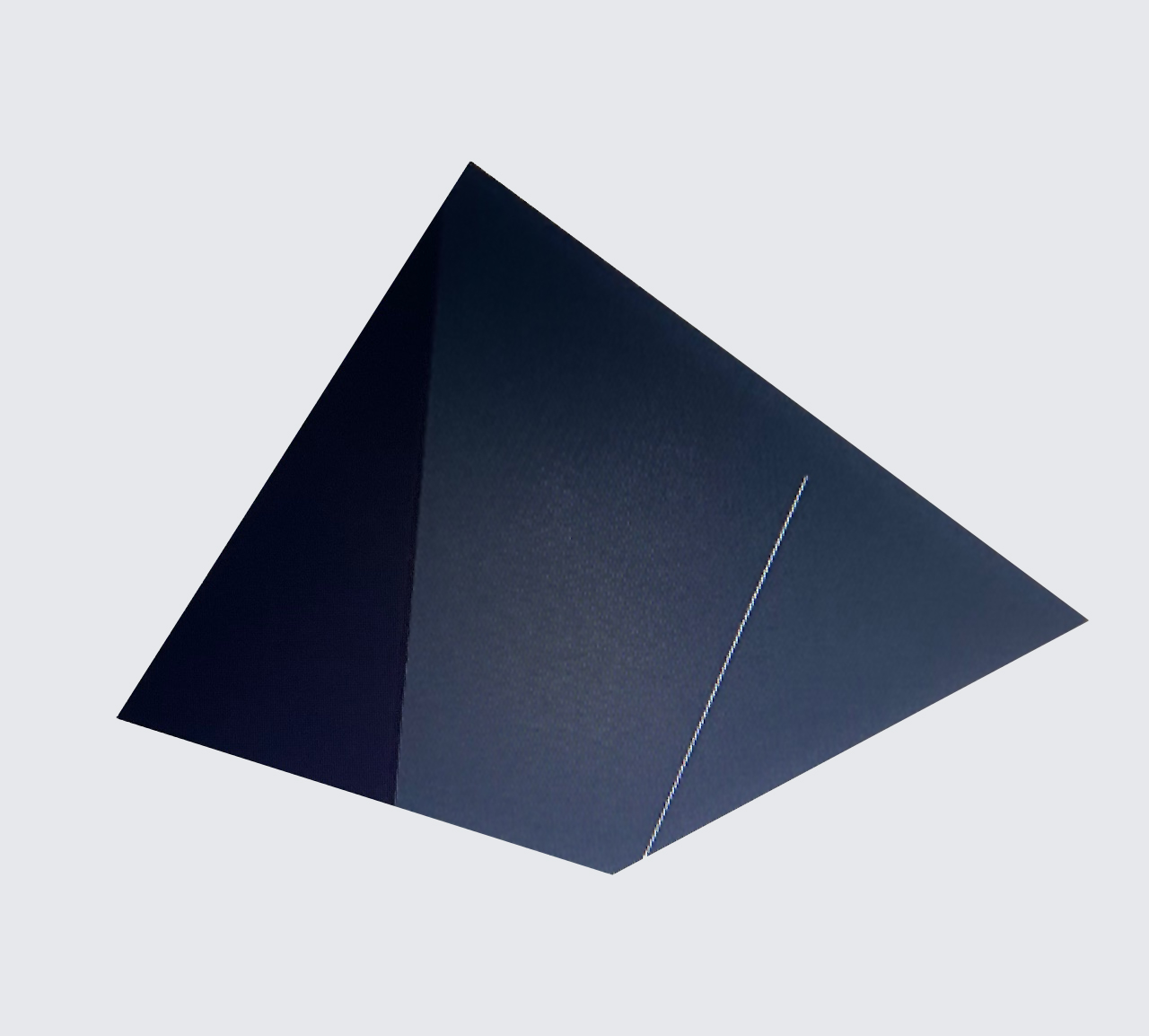
Katja Pál (1979, Slovenia)
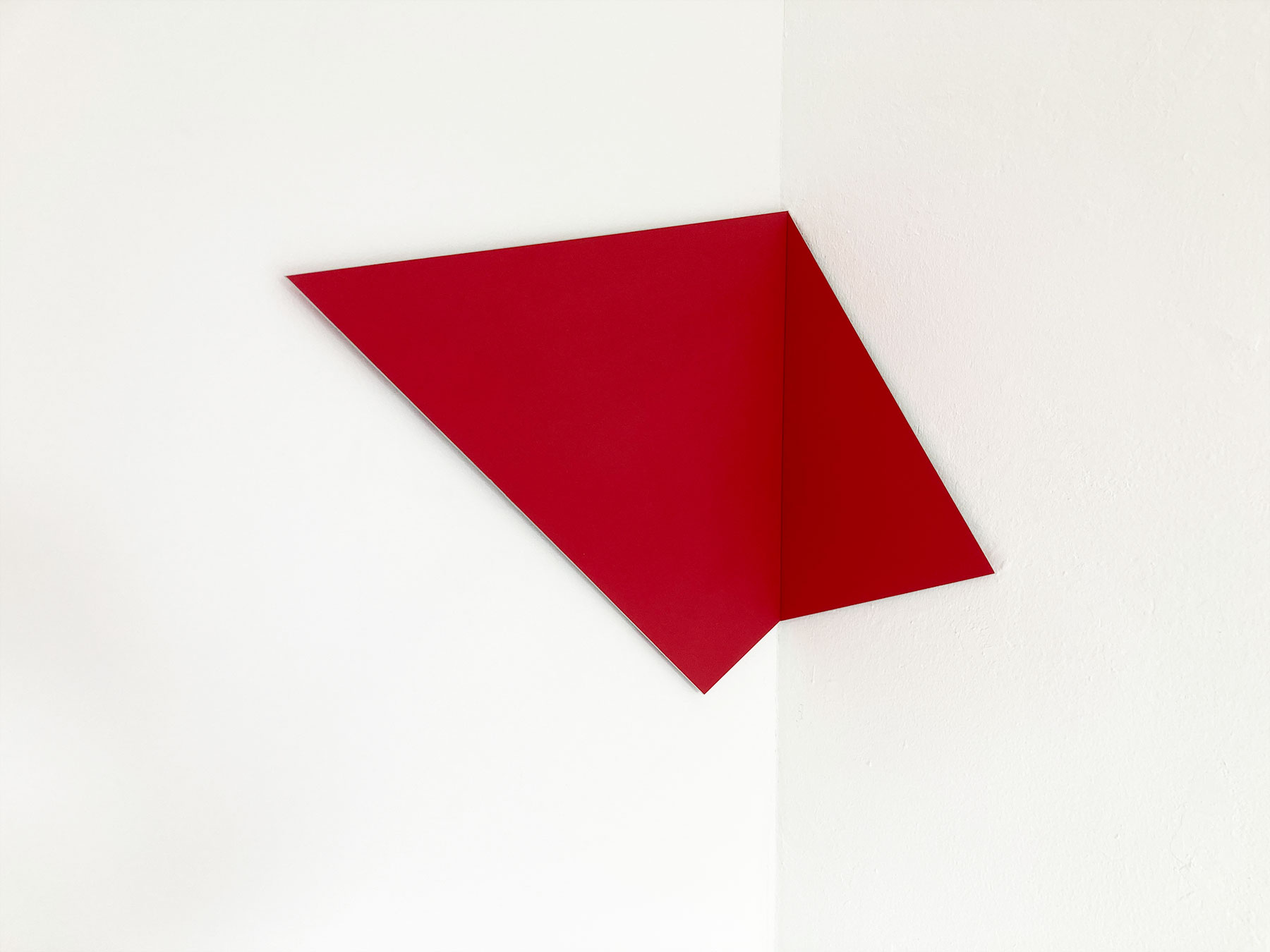
Instead of classically square shaped paintings, Pál’s works are based on polygons. The monochrome two dimensional surfaces are in constantly changing connection with each other. By observing from different angles, the dynamics of the works’ geometric arrangements reveal themselves. The compositions trace along on the sides of the paintings, hence blurring their borders. Thanks to this perspective manipulation, the presence of depth and spatiality exposes the multi-layered phases of the images’ motifs. Her colour scheme is intuitive, yet the variously thick white lines are reoccurring elements. By dividing the colour fields with firm contours, they create stark contrast between the image parts. Colours are often referred to in the titles. Pál creates her studies on a computer. Therefore, the diversity of geometry allows her to leave behind the traditional painting techniques of image making. Her paintings simultaneously endorse the practice of axonometric technical drawings and the meticulousness of freehand.
Rita Rohlfing (1964, Germany)
Rita Rohlfing’s aluminum-based works operate at the intersection of contemporary abstract art and optical perception. These works are not traditional paintings, but spatial objects built on the interaction of light, surface, and colour. Despite being flat surfaces, the works produce an illusionistic spatial effect and appear spatial and floating. Restrained compositions nevertheless produce a strong optical experience and sensual impact. Her aluminum works do not depict objects; instead, they create continuously shifting visual fields through changes in light.

Anikó Robitz (1978, Hungary)
Anikó Robitz, a contemporary Hungarian photographer, often explores the atmosphere, layered complexity, and visual rhythm of urban spaces in her work. The Venice series captures the city’s timeless, melancholic atmosphere, placing emphasis on reflections of light, water surfaces, and subtle color transitions. It often avoids direct depictions of tourist landmarks, focusing instead on quiet details and visual rhythms. In this image, Venice is not merely a location but a kind of sensory experience—a sense of suspension, slowness, and timelessness. The image is characterized by a conscious use of digital image-making, a shift toward compositional minimalism and abstraction, and the transformation of visible reality into a personal, inner experience. Robitz does not document in the traditional sense; rather, she interprets—transforming urban spaces into a visual language in which the viewer’s own associations also play an important role. The question is: how a city becomes image, experience, and inner landscape through photography.
Esther Stocker (1974, Italy)
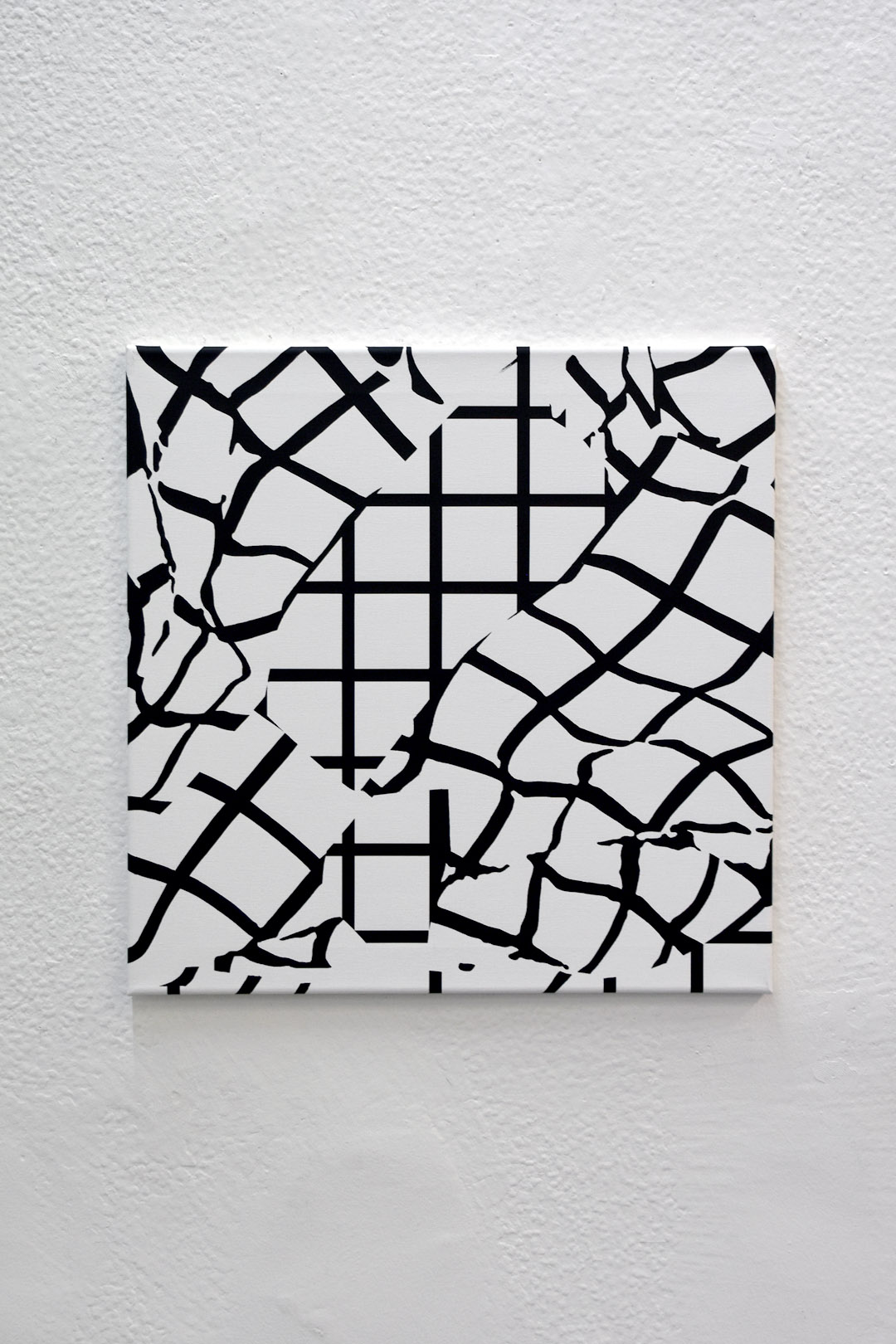
Through subtle shifts, Stocker explores the fragile boundary between structure and chaos, whereby the grid reveals a paradoxical disorder: Despite its formal rigour, it overwhelms the human eye and destabilizes the perception of clarity.
For the artist, the grid forms the basis for making deviations from order perceptible in the first place. Without the system, systemlessness would be inconceivable, as it can only be described in relation to the existing structure of order. In this dialectic between structure and deviation, Stocker unfolds her own logic of chaos. Spaces are created that offer the viewer the potential for orientation and, as it were, for getting lost. Her reduced formal language, characterized by lines and grid structures in black and white, is translated into strict formal boundaries and spatial dimensions. Stocker’s paintings as well as her installations and sculptures develop from her concentration on minimalist means – the horizontals, verticals and diagonals of space – whereby the characteristic reduction to black and white grids runs through her entire oeuvre as a conceptual bracket. (Livia Klein)
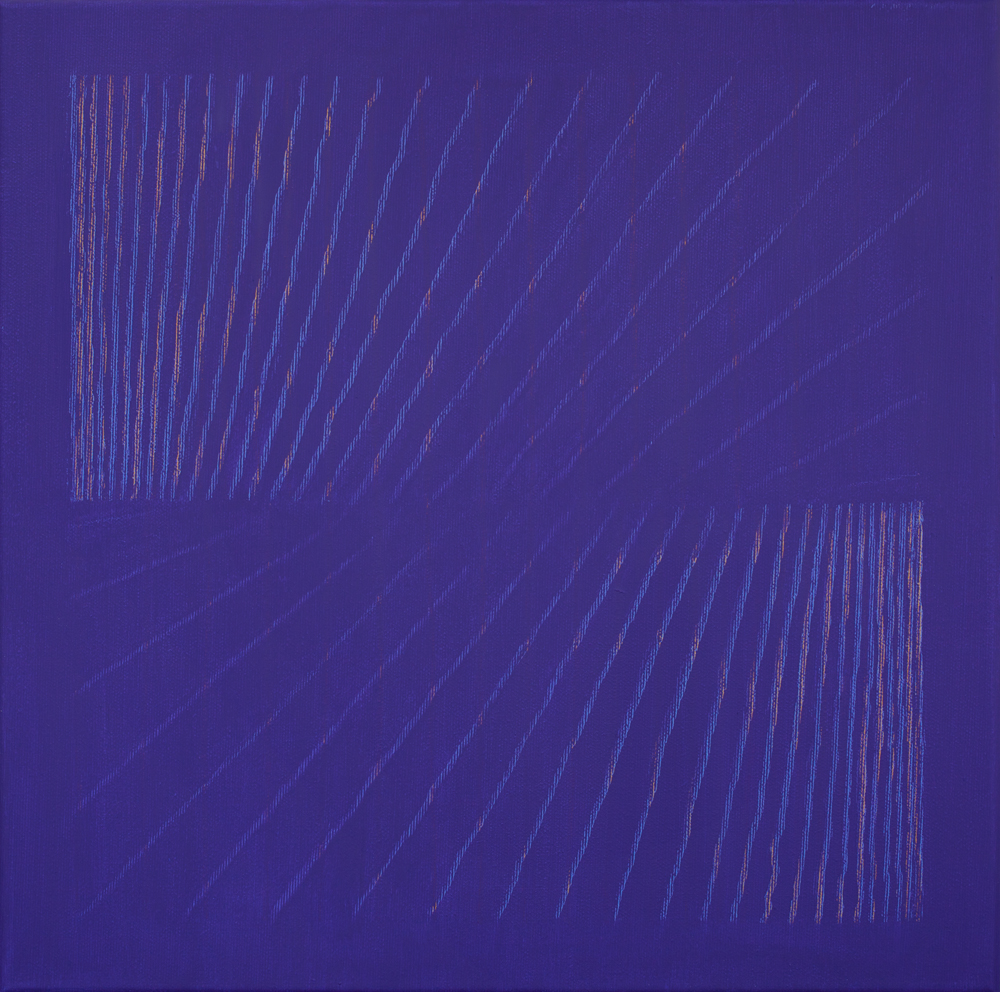
Anna Szprynger (1982, Poland)
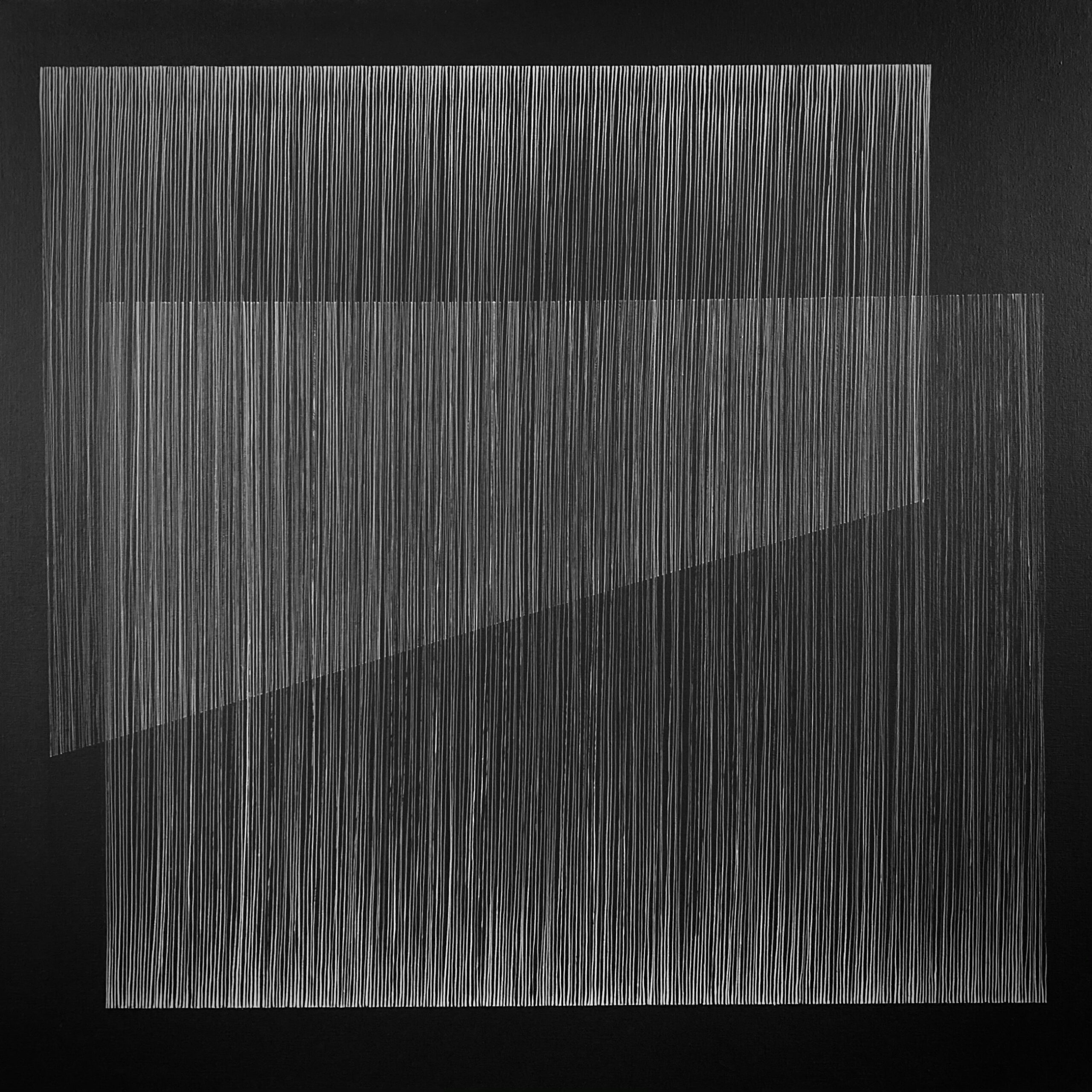
These works are a study of structure and the relationships between elements within the pictorial field. Through the repetition of line, precise shifts, and controlled interruptions, Anna Szprynger constructs systems of tension in which every detail – fissure, a change in line density, the overlapping of planes – performs a specific compositional function. The silence between lines, a pause or a gap, is not emptiness but an active carrier of meaning; these elements give the works their tempo and determine their scale of intensity. She does not treat these features as ornamentation, but as components of a formal grammar that defines the rhythm and internal dynamics of the image.
Mar Vicente (1979, Spain)
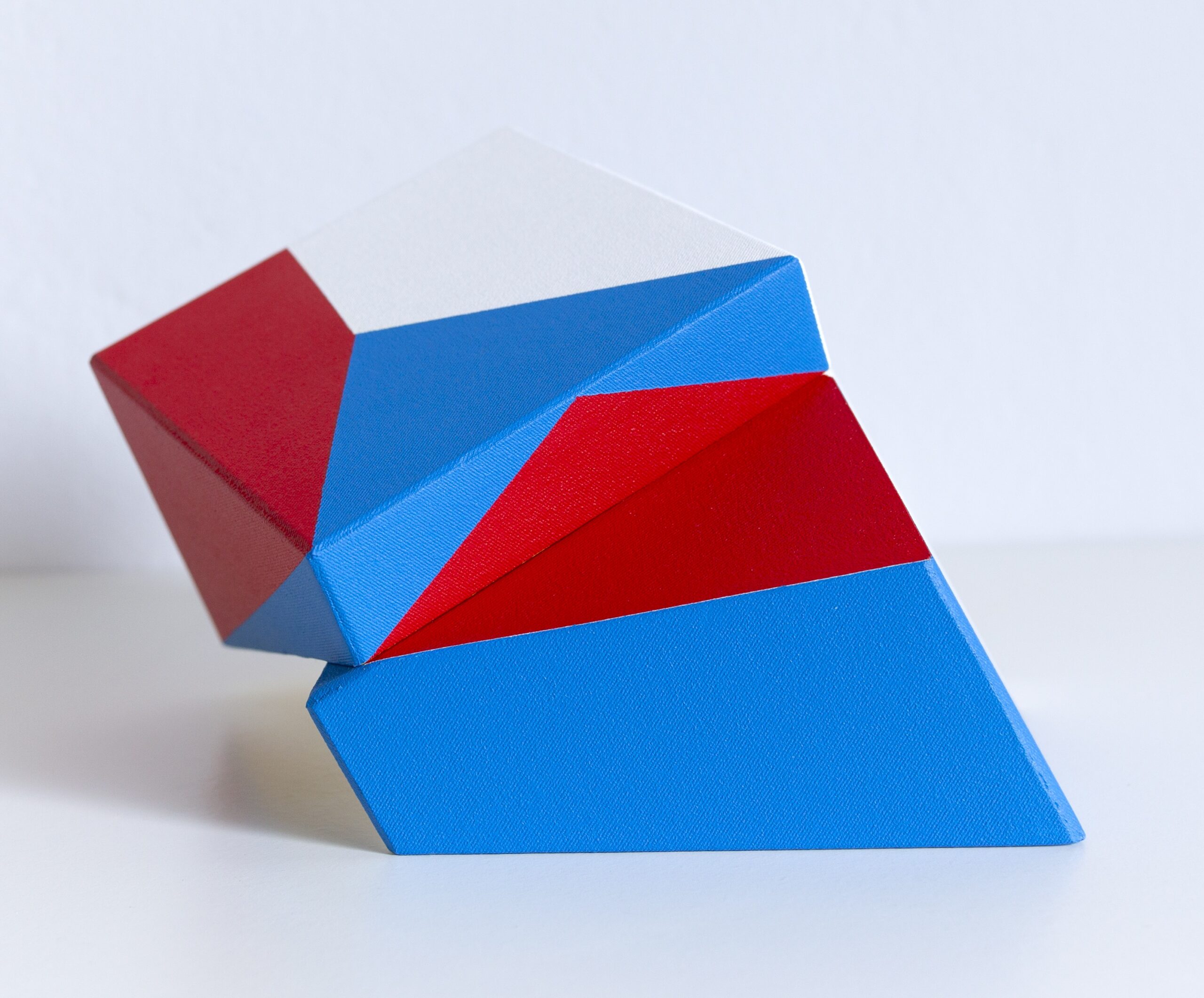
Vicente originally started as a painter, but his works move along the boundaries between painting, sculpture, and installation art. His works titled Scrambling mark an important stage in the artist’s geometric-abstract period: Vicente dismantles, rotates, and transforms the basic forms of the cube and square into spatial, optically unstable objects. The colours (primarily red, blue, yellow, green, and white) are not decorative elements, but tools for manipulating spatial perception. The movement of the viewer is crucial: seen from different angles, the form continuously changes. At first, the eye and the brain perceive a stable cube, but as the viewer moves, this unity “falls apart” and begins to function as several different polyhedra. The works therefore consciously play with optical uncertainty, perspective, and the relationships between light and shadow. The role of light is especially important for Vicente. The white surfaces are often not “empty” areas, but instead reflect neighboring colours, allowing space itself to become part of the artwork.
Olga Zabron (1985, Poland)
Olga Zabron is a non-objective artist who explores the area of geometric art. She works in painting, drawing, the art of object and spatial installation. In her paintings, a line becomes the essential element of the structure that creates rhythmic forms suspended in an indefinite space of colour. Centrally located figures, composed of pulsating lines, are a concentration of energy enclosed in a geometric shape. When the inner spaces meet, tensions rise and dynamize the seemingly calm plane of the image. Geometric shapes painted on canvas seek autonomy and emerge as objects in a new series of works. The form is separating, cracking, and partially breaking-up. It gives it all a whole new meaning. The form broken into parts and balancing the equilibrium lets in the surrounding space. It generates another type of vibration, the effect of restlessness. All works of Olga Zabron attempt to create structures of inner tensions.